The Vibrant Tapestry of Chinese Culture: A Gateway to Global Understanding
Chinese culture offers a profound and enriching gateway to the interconnected worlds of arts, literature, language, knowledge, and education. As one of the world’s oldest continuous civilizations, its contributions form a magnificent tapestry that continues to inspire and educate millions globally. Engaging with this culture is not merely an academic exercise; it is a journey into a unique worldview that values harmony, historical continuity, and artistic expression. This exploration fosters not only personal enrichment but also essential cross-cultural understanding in our interconnected world.
The Expressive Arts: A Visual and Philosophical Journey
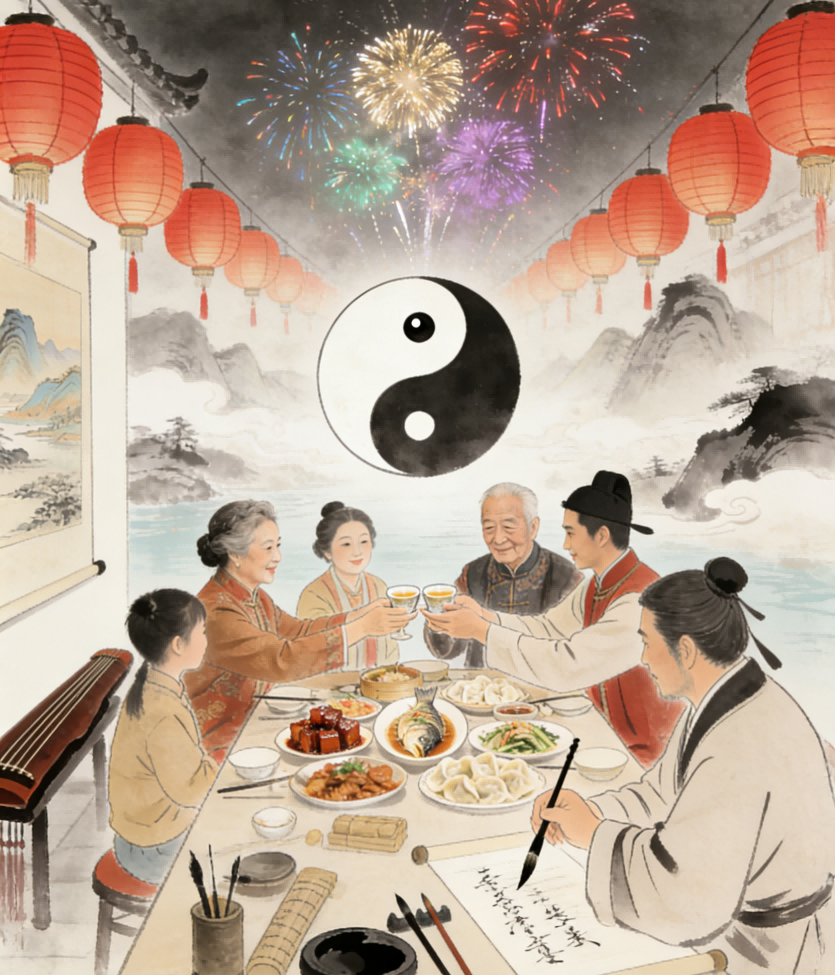
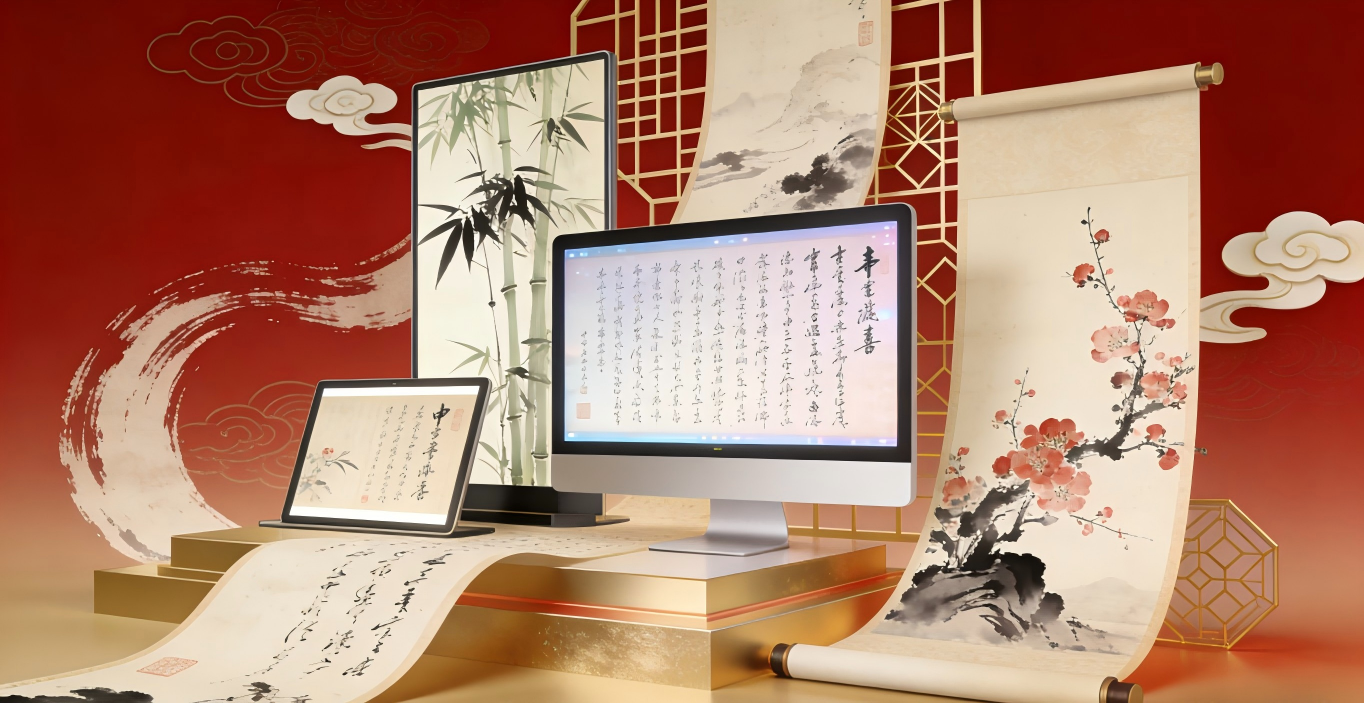
The arts within Chinese culture provide a stunning visual language. Traditional painting, calligraphy, and porcelain are not just decorative. They are deeply philosophical practices. For instance, ink wash painting often embodies Taoist and Buddhist principles. It emphasizes simplicity, spontaneity, and the beauty of empty space. Similarly, the intricate art of Chinese opera combines music, vocal performance, mime, dance, and acrobatics. It tells timeless stories of heroism, love, and morality. By appreciating these art forms, we gain insight into the aesthetic values and spiritual depth that have shaped Chinese society for millennia. Museums worldwide, like The Metropolitan Museum of Art’s Chinese art collection, showcase these magnificent achievements.
Classical Literature: A Foundation of Wisdom and Narrative
Moving from visual to written expression, Chinese literature presents an unparalleled treasure trove. The “Four Great Classical Novels,” including Journey to the West and Dream of the Red Chamber, are monumental works. They explore complex themes of adventure, spirituality, and societal change. Furthermore, the poetic traditions of the Tang and Song dynasties, with masters like Li Bai and Du Fu, capture human emotion with breathtaking brevity and imagery. These texts are more than stories and poems. They are foundational pillars of knowledge, offering lessons on governance, virtue, and the human condition. Studying them provides a powerful lens through which to understand historical perspectives and enduring cultural narratives.
The Language: More Than Just Communication
At the heart of this cultural ecosystem is the Chinese language. It is a fascinating system where written characters are logograms, each often carrying meaning and sound. Learning Mandarin, the most spoken variant, opens doors to direct engagement with primary sources of literature, philosophy, and modern media. The process of studying characters is itself an educational adventure. It builds cognitive skills and offers a tangible connection to ancient pictographs. Moreover, understanding the language reveals the importance of concepts like “face” (mianzi) and familial respect. These concepts are embedded in daily communication. Resources like the Yale Center for Language Study can be excellent starting points for language learners.
Integrating Culture into Modern Education
How, then, can we integrate this rich cultural knowledge into contemporary education? The benefits are immense. Firstly, it promotes critical thinking. Students compare different literary canons and historical narratives. Secondly, it enhances creative expression. Learners can draw inspiration from artistic techniques and poetic forms. Educational frameworks are increasingly recognizing this value. Many schools now incorporate units on Chinese history and arts into their curricula. University programs in East Asian studies provide deep, specialized knowledge. This integration prepares students to thrive in a globalized environment. It builds empathy and dismantles stereotypes through authentic understanding.
A Lifelong Path to Enrichment and Connection
In conclusion, the exploration of Chinese culture through its arts, literature, and language is a rewarding lifelong pursuit. It is a dynamic path to personal growth and global citizenship. Each brushstroke, each classical verse, and each mastered character deepens our appreciation for human creativity and intellectual heritage. This journey equips us with valuable knowledge and a more connected perspective. Ultimately, engaging with this culture celebrates our shared humanity. It builds bridges of respect and wonder across the globe.
Embark on your own journey of discovery. Explore our internal guide to Exploring Intangible cultural heritage in China, beginning your studies in world literature for more inspiration and resources.