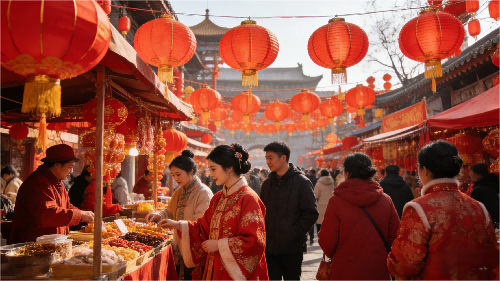
Chinese festivals are the fresh carriers of Chinese civilization, connecting the historical heritage and lives. From the traditional customs in the change of age, to the modern festivals that highlight the feelings of the country, and then to the unique festivals of various ethnic groups, these festivals not only shape the pace of life of Chinese people, but also become a cultural link across regions.
Traditional Chinese festivals: the memory of age engraved in genes
Spring Festival Series: Spring Festival and Lantern Festival
The Spring Festival is undoubtedly the most ceremonious traditional Chinese festival. The reunion dinner on New Year’s Eve, the laughter and laughter at the time of the new year’s Eve, and the new year’s greetings in the early morning of the new year’s day are all warm memories engraved in the hearts of Chinese people. Many places still keep the custom of pasting Spring Festival couplets, New Year pictures, and firecrackers, which means to welcome the old and welcome the new, and to drive away evils and blessings. As the folklorist Mr. Zhong Jingwen said, “traditional festivals are the aggregation of people’s emotions, and every custom hides the collective cultural resonance.”
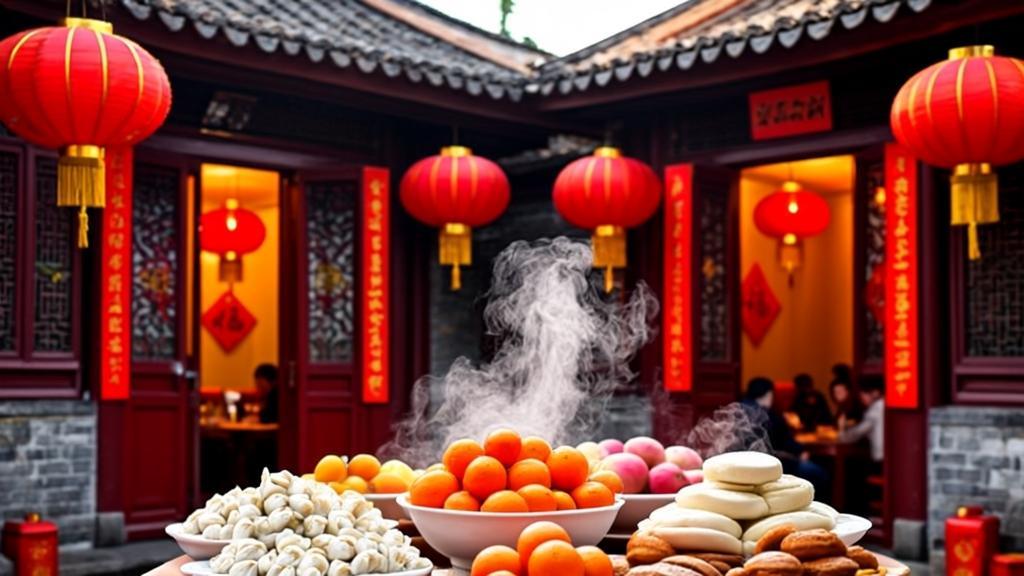
The Lantern Festival is closely followed by the flower lights, riddles, and eating rice dumplings, yuanxiao. It is filled with round balls made of glutinous rice flour, so the Lantern Festival is basically called the Yuanxiao Festival in Chinese. In some parts of the south, there are dragon and lion dances and stilts, and the lively atmosphere continues the rest of the year.
Qingming, Dragon Boat, and Double Seventh Festival
Qingming has both solemnity and vitality. It sweeps tombs to commemorate ancestors, takes a hike to seek spring, and embraces nature. It interprets the traditional concept of “being cautious and pursuing the future”. In some areas, there are also customs of inserting willows and eating the Youth League, which makes the spring atmosphere more vivid.
The custom of dragon boat racing and eating zongzi in the Dragon Boat Festival is said to commemorate Qu Yuan. Now it has become a competitive and gourmet feast participated in by the whole people. In addition to sweet zongzi and salty zongzi, there are also the traditions of hanging wormwood, wearing sachets, and drinking realgar wine.
The Double Seventh Festival is a very romantic festival, derived from the legend of the Cowherd and the Weaving Maid. In ancient times, women would carry out “begging” activities, pray for dexterity, and now it has become an important day for lovers to express love.
Mid-Autumn Festival and Double Ninth Festival
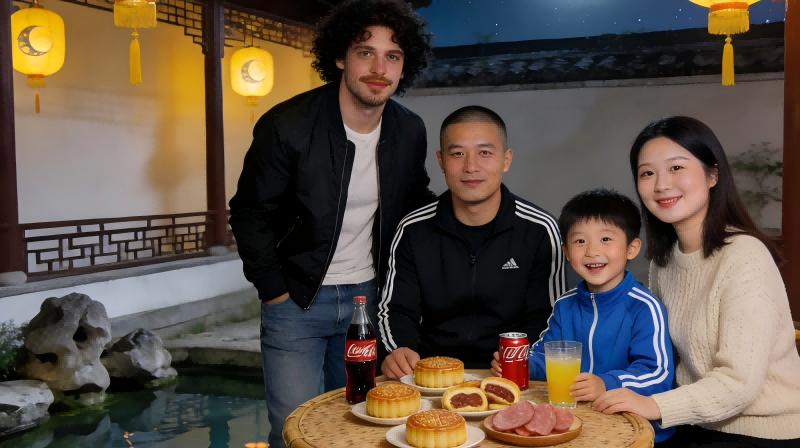
The Mid-Autumn Festival is based on the moon, enjoying the moon, eating mooncakes, and family reunion. It is a beautiful expectation of “I hope that people will live long, and love each other for thousands of miles”. The flavor of mooncakes in different regions is different, and the Soviet style, the Cantonese style, and the Beijing style have their own characteristics. Some families will also put grapefruit, pomegranate, and other fruits, which means reunion.
The Double Ninth Festival is a festival of long-term vision, respect for the elderly, and love for the elderly. It perfectly integrates filial piety culture and autumn scenery. People will accompany their elders to travel and enjoy chrysanthemum, and also eat Double Ninth cakes and drink chrysanthemum wine. It has become a festival with a sense of ceremony and warmth.
Preparing for the new year at the end of the year: Laba Festival and Xiaonian.
In addition to the above festivals, the Laba Festival and Xiaonian at the end of the year also carry strong traditional feelings. On the Laba Festival on the 8th day of the twelfth month of the Chinese lunar calendar, there is a folk custom of drinking Laba Congee. A variety of grains, beans, and dried fruits are collected in Congee, which symbolizes the prosperity of the grain. The small year is divided into twenty-three months in the north and twenty-four months in the south. The main custom is to sacrifice the kitchen god. People will prepare the kitchen sugar to offer to the kitchen god and pray for him to say more good words to protect the family and the Spring Festival.
Modern and national festivals: the manifestation of national feelings and the spirit of the times
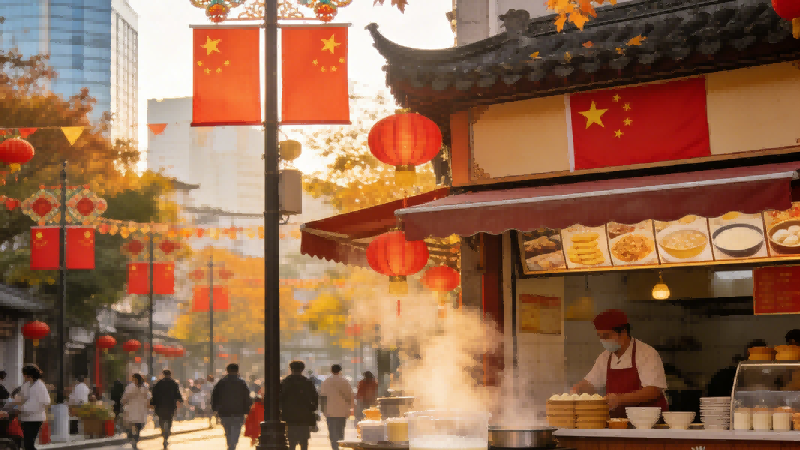
The National Day is a modern festival with the most national feelings. On October 1st every year, the whole country celebrates the birth of the new China. The military review ceremony in Tiananmen Square and the light shows around the country all convey national pride.
Labor Day pays homage to workers and lets people appreciate the value of each contribution in the rest.
The youth day encourages the young generation to inherit the 54 spirit and shoulder the mission of the times.
Teachers’ Day pays homage to the hard-working educators and creates a social atmosphere of respecting teachers and education.
These festivals may not have the complicated customs of traditional festivals, but they precisely fit the value pursuit of contemporary society and become an important carrier of national strength. Some scholars believe that the rise of modern festivals is a new empowerment of social development on festival culture, so that the connotation of festivals can better meet the needs of the times.
The festivals of various ethnic groups: the resplendence of multiculturalism
The festivals of various ethnic groups in China are a vivid witness to the coexistence of multiple cultures. There are several wonderful, special, vivid ones:
The Nadam conference of Mongolia is very special. Wrestling, horse racing, archery, and other competitive sports show the heroic vitality of grassland people. People exchange friendship and inherit skills in the event.
The water sprinkling festival of the Dai people can be called the “Asian Carnival”, where people sprinkle water on each other to pray, and the meaning is to wash away the bad and meet the good.
The torch festival of the Yi people is full of mystery and enthusiasm, lighting the torch to drive away evil spirits and avoid disasters, singing and dancing around the bonfire, showing the vigorous vitality of the nation.
These festivals may not have the same audience as the traditional festivals, but they maintain the cultural roots of various ethnic groups and enrich the overall layout of Chinese festivals.
Overseas Chinese festivals: cross-border cultural nostalgia
Chinese festivals have long gone abroad and become an important way for overseas Chinese to express their nostalgia. Overseas spring festival celebrations are especially grand, with lights and lanterns in Chinatown, lively Temple Fair activities, Spring Festival couplets, red envelopes, Chinese knots, and other elements everywhere, so that Chinese living in a foreign land can feel the warmth of home.
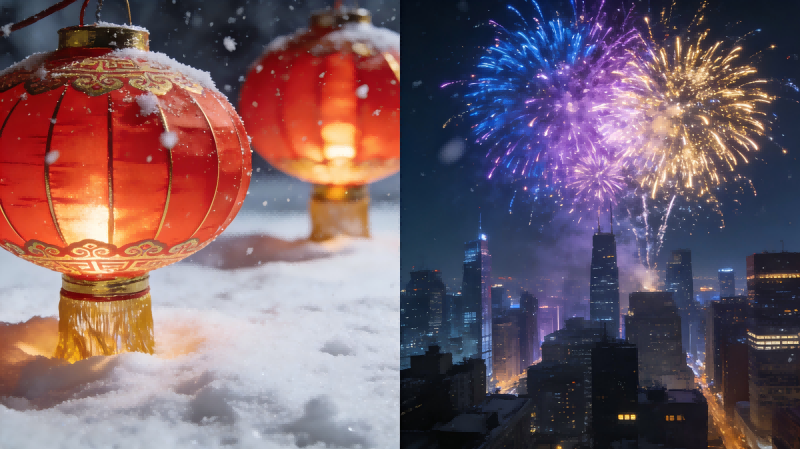
The Lantern Festival, dragon and lion dance are classic activities of overseas Chinese festivals. Colorful lanterns light up the night sky, and flexible dragons and lions shuttle around, not only attracting Chinese participation but also letting local people feel the charm of Chinese culture. As the overseas Chinese newspaper once reported: “overseas Chinese festival celebrations are a living window for cultural transmission, allowing the world to see China’s fireworks and cultural heritage.”
Chinese festival experience and Strategy: understand the correct opening way of festivals
When participating in Chinese festivals, etiquette and precautions cannot be ignored. For example, the tomb sweeping in the Qing Dynasty should be solemn and avoid noise; The blessings for the Spring Festival should fit the scene and pay more respect to the elders. Only by understanding these details can we better integrate into the festival atmosphere.
If you want to experience the festival in depth, tourism experience suggestions are worth referring to. During the Spring Festival, you can go to Beijing to feel the bustle of the Ditan Temple Fair. The Lantern Festival in Chengdu is recommended for the Yuanxiao (Filled round balls made of glutinous rice flour for the Lantern Festival). The Dragon Boat Festival might as well go to the Miluo River to watch the dragon boat race. In addition, participating in local folk activities and tasting special festival delicacies are all ways close to the essence of the festival. Some studies have shown that participating in traditional festival activities in person can significantly enhance the sense of cultural identity and belonging (Wang & Zhang, 2,024). For the relevant Festival cultural experience guide, please refer to the authoritative information released on the official website of the Ministry of Culture and Tourism.
The charm of Chinese festivals may lie in the balance between inheritance and innovation. Traditional customs give them a deep foundation, modern elements give them new life, and the celebrations at home and abroad make it a cultural symbol across the region. No matter how the times change, these festivals are always the emotional sustenance of Chinese people, and also an important card to show the world Chinese culture.