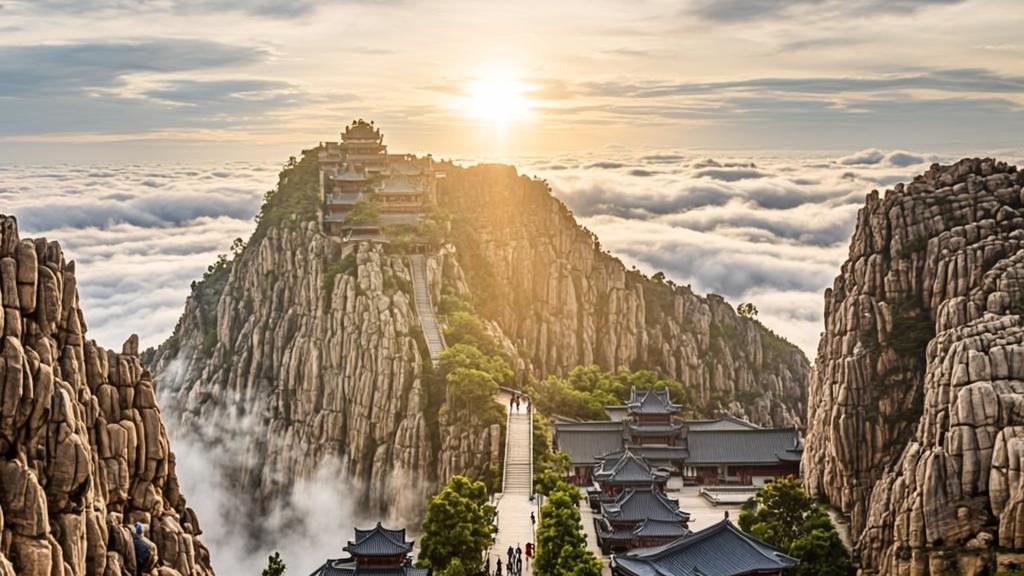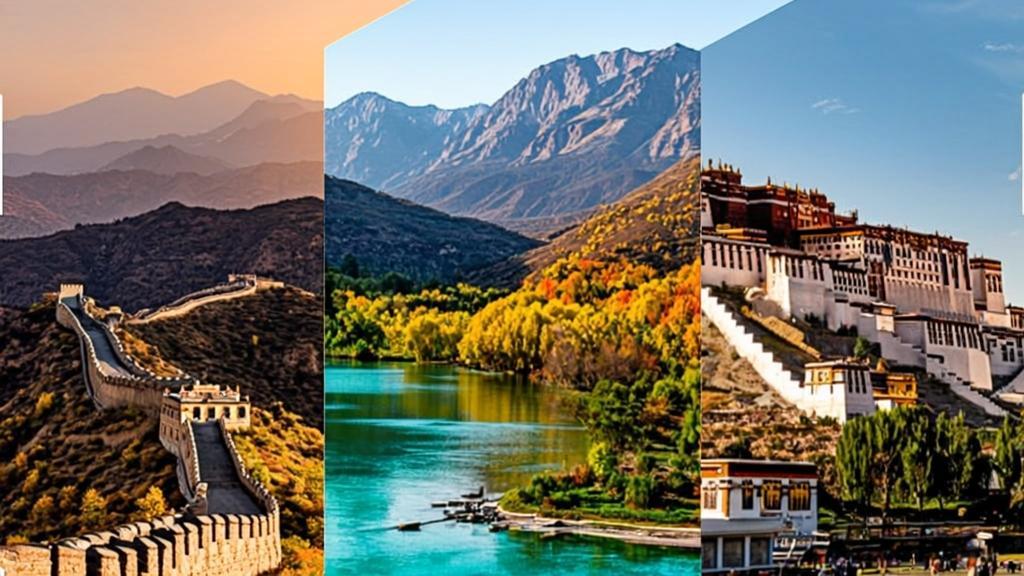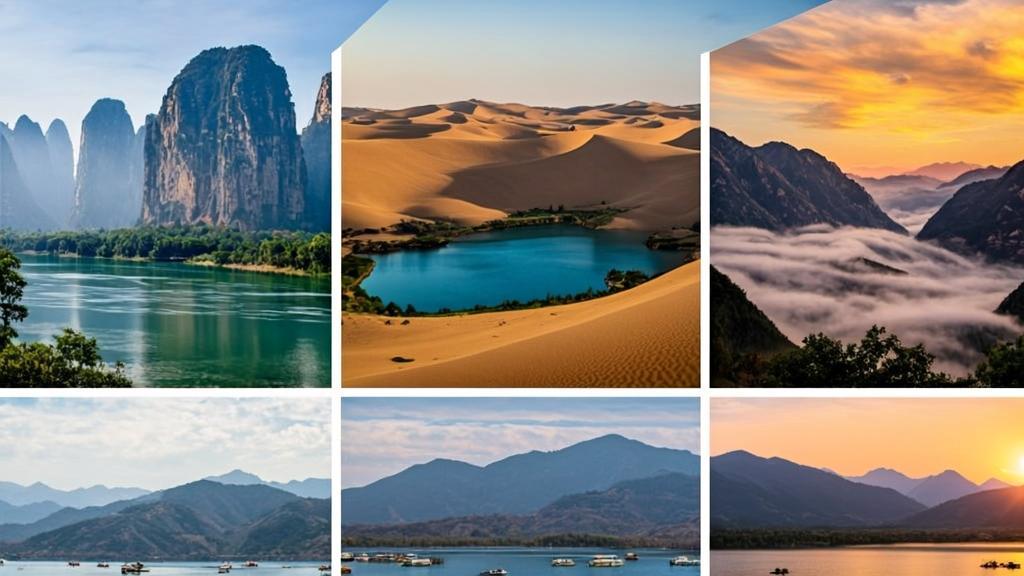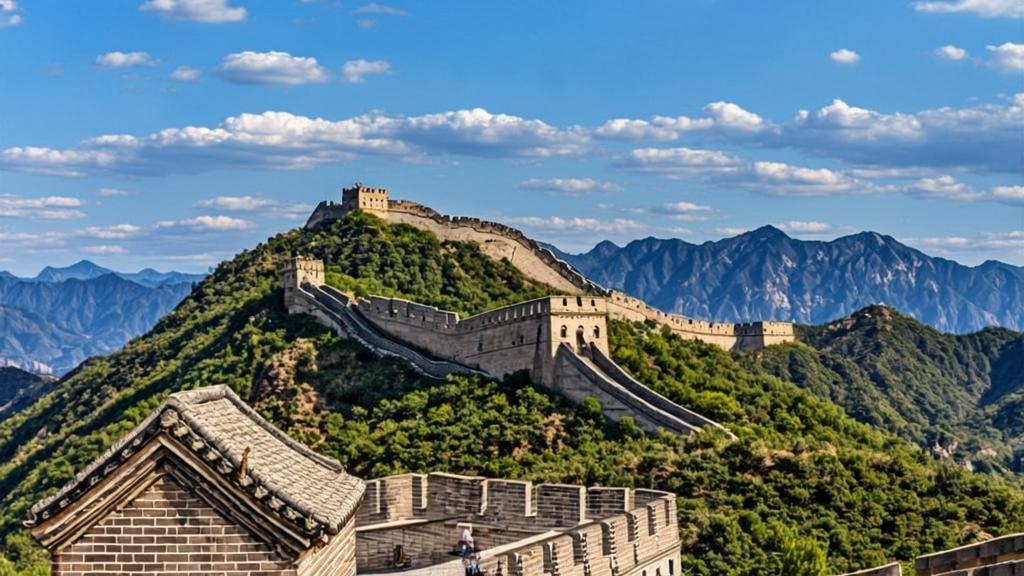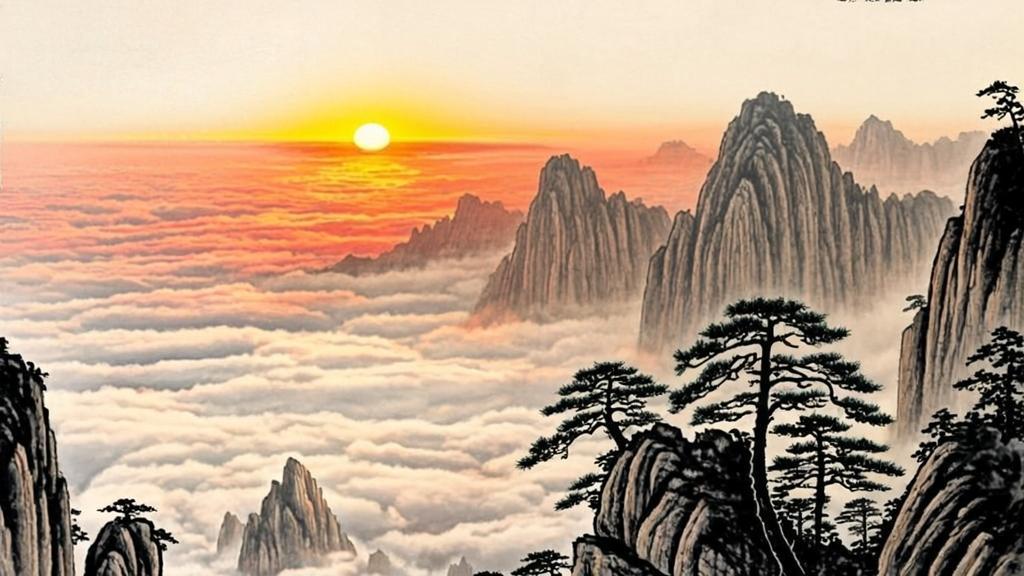
Huangshan — two simple syllables that translate to “Yellow Mountain” — sits quietly in Anhui Province, eastern China. But “quiet” is the wrong word. Every year, roughly 2.74 million people make the trek here, and that number keeps climbing (UNESCO World Heritage Centre). Why? Because Huangshan is not just a mountain. It’s a living painting — one that China’s greatest artists spent centuries trying to capture, and still couldn’t quite get right.
If you’ve ever seen those dramatic ink paintings of jagged peaks shrouded in mist, with lone pine trees clinging to sheer cliffs — that’s Huangshan. It inspired an entire school of Chinese landscape art. And now, it’s waiting for you to walk through it yourself.
What Makes Huangshan Different From Other Mountains
Most famous mountains impress with sheer size. Huangshan impresses with character.
The highest peak, Lotus Peak (Lianhua Feng), reaches 1,864 meters. That’s respectable, but not record-breaking. What sets Huangshan apart is its combination of five natural wonders:
- Odd-shaped pines — ancient trees twisted into impossible forms, growing straight out of bare rock
- Grotesque granite rocks — named after animals, legends, and human figures
- Sea of clouds — a phenomenon that occurs roughly 50 days per year, turning the valley into a white ocean
- Hot springs — natural mineral springs at the mountain’s base
- Winter snow and rime ice — which transforms the mountain into a frozen fairy tale from December to February
Nowhere else in China — or arguably the world — do these five elements combine so dramatically in one place. That’s not a marketing claim; that’s why UNESCO inscribed Huangshan as a World Cultural and Natural Heritage Site in 1990.
The Legend Behind the Name: Huangshan’s Mythical Origins
Here’s something most travel guides skip.
Huangshan wasn’t always called Huangshan. In the Qin Dynasty, it was simply called Yishan — Mount Yi. Then, in 747 AD, the Tang Emperor issued an imperial decree renaming it “Huangshan” — Yellow Mountain — in honor of Huang Di, the legendary Yellow Emperor.
According to Chinese mythology, Huang Di didn’t just visit this mountain. He cultivated immortality here. He refined medicinal herbs, discovered the elixir of life, and eventually ascended to heaven from these very peaks. The poet Li Bai — China’s equivalent of Shakespeare, but with better hiking shoes — is often credited as the first to use the name “Huangshan” in verse (Wikipedia, Huangshan).
Compare this to Western mountain mythology. Think of Mount Olympus in Greece, home of the gods. Huangshan holds a similar place in Chinese imagination — a sacred place where mortals and immortals once brushed against each other. The difference? You can actually hike Huangshan on a Tuesday.
Huangshan’s Five Wonders, Up Close
The Pines That Grow From Rock
This is the first thing that stops most visitors cold.
How does a tree grow out of solid granite? At Huangshan, the answer is: very slowly, very stubbornly, and with remarkable results. The Huangshan pine (Pinus hwangshanensis) is named specifically after this mountain. Its roots crack into the tiniest rock fissures. Its branches twist dramatically toward light.
The most famous is the Welcoming Guest Pine (迎客松), located at Jade Screen Peak. It’s about 10 meters tall, with branches spread wide like open arms. Many Chinese families hang a photo of this tree in their homes — it’s a national symbol of hospitality. And honestly, when you see it in person, you understand why.
The Sea of Clouds
Technically, this is weather. But it feels like magic.
On certain mornings, the valley below fills completely with cloud. The peaks of Huangshan rise above it like islands. You stand on a granite summit, and all around you is white ocean. Boats of rock. Waves of mist.
This phenomenon happens roughly 50 days per year, concentrated mostly in spring and winter. But even on clear days, wispy clouds drift through the canyon corridors — what locals call the Xihai Grand Canyon. A 14-second video of this scene once received 19 million views on Chinese social media. The clouds alone are worth the trip.
The Rocks That Tell Stories
Every culture gives shapes to clouds. At Huangshan, the granite formations get names too.
- Flying-Over Rock — a boulder that looks structurally impossible, balanced on a tiny base
- Monkey Watching the Sea — a stone figure seated on a peak, gazing into the clouds
- Immortal Pointing the Way — a column of rock that looks remarkably like a robed figure gesturing forward
Walking Huangshan’s trails feels like moving through a natural sculpture park where the artist was deeply committed to storytelling.
Huangshan and Chinese Ink Painting: A Relationship Worth Understanding
In 17th-century China, a group of painters broke from tradition. They called themselves the Xin’an School — named after the Huizhou region near Huangshan. Their style was stark, dramatic, and deeply influenced by this mountain’s vertical landscapes.
Over 20,000 poems have been written about Huangshan. More than 300 stone inscriptions still mark its cliffs (China Highlights). The modern painter Liu Haisu visited Huangshan ten times throughout his life, each time finding something new.
But here’s the interesting parallel for Western visitors: Huangshan’s influence on Chinese art is comparable to how the Alps shaped European Romantic painting. Think Caspar David Friedrich standing on a misty mountain peak — that sense of awe, smallness, and sublimity. Huangshan gave Chinese painters the same emotional fuel for centuries.
The difference? In the Western tradition, the lone figure in the landscape often symbolizes individual struggle. In the Chinese tradition, the mountain itself is the protagonist. Humans appear tiny, humble, passing through. The mountain endures.
Practical Guide: How to Visit Huangshan
Getting There
Huangshan is surprisingly easy to reach.
From Shanghai: high-speed train, approximately 2.5 hours. From Hangzhou: about 1.5 hours. There’s also Huangshan Tunxi International Airport with connections to major Chinese cities and Seoul.
Starting from late 2024, visitors from many countries can enter China visa-free — US, UK, and Canadian passport holders enjoy 6-day visa-free entry, while travelers from France, Germany, Italy, and Spain have 30-day visa-free access (Asia Odyssey Travel).
Going Up
You have two options:
- Cable car — fast, scenic, energy-saving. Recommended if you want to spend time exploring at the top rather than recovering from the climb.
- Hiking — more rewarding, more exhausting. The eastern steps are shorter but steeper. The western steps are longer with more scenery. Allow 3–5 hours.
Most experienced visitors suggest taking the cable car up and hiking down. Best of both worlds.
Stay Overnight — Seriously
This is the insider tip that most day-trippers miss.
Huangshan has hotels right on the mountaintop — Shilin Hotel (4-star) and Xihai Hotel (5-star) among them. Staying overnight means two things: watching the sunset turn the Sea of Clouds pink and gold, and waking at dawn to see sunrise over the peaks. These are experiences that simply cannot be compressed into a day trip.
Best Times to Visit
- Spring (April–June): Fresh greens, blooming wildflowers, frequent cloud phenomena
- Autumn (September–November): Clear skies, warm colors, excellent visibility
- Winter (December–February): Snow and rime ice transform the mountain — fewer crowds, extraordinary scenery
- Summer: Waterfalls at peak flow, but more crowded and occasionally foggy
Note: As of December 2025, Lotus Peak and the West Sea Grand Canyon are temporarily closed for ecological rest and maintenance. Check the official Huangshan Scenic Area website before visiting for current access conditions.
Beyond the Mountain: The Huizhou Culture Nearby
Huangshan doesn’t exist in isolation.
The surrounding Huizhou region is one of China’s best-preserved cultural landscapes. The ancient villages of Hongcun and Xidi — both UNESCO World Heritage Sites — sit just an hour’s drive from the mountain base. Their whitewashed walls, black-tiled roofs, and intricate wood carvings are a study in Ming and Qing Dynasty architecture.
The local Hui cuisine is one of China’s Eight Major Culinary Traditions. Key dishes worth trying:
- Stinky mandarin fish (chou guiyu) — fermented, pungent, unexpectedly wonderful
- Huizhou odorous tofu — similar concept to stinky tofu, local style
- Braised bamboo shoots with local ham
Think of it like visiting the Dolomites in Italy and also exploring South Tyrolean villages and cuisine on the same trip. The mountain and the culture are inseparable.
Why Huangshan Still Matters
Some places are popular because of marketing. Huangshan is popular because it genuinely earns it.
Huangshan has played an important role in the history of Chinese art and literature since the Tang Dynasty, when a legend from 747 described it as the place of discovery of the long-sought elixir of immortality. That’s not a recent PR campaign. That’s fourteen centuries of human attention.
The ancient traveler Xu Xiake of the Ming Dynasty put it bluntly: once you’ve seen Huangshan, other mountains seem unnecessary. That might sound like hyperbole. But when you’re standing on a granite peak at sunrise, watching the Sea of Clouds glow orange and pink below you, pine trees silhouetted against a pale sky — it doesn’t feel like hyperbole at all.
It feels exactly right.
References
- UNESCO World Heritage Centre. (1990). Mount Huangshan. https://whc.unesco.org/en/list/547/
- Wikipedia Contributors. (2025). Huangshan. Wikipedia, The Free Encyclopedia. https://en.wikipedia.org/wiki/Huangshan
- Huangshan Municipal People’s Government. (2026). Tourist Destinations — Huangshan Scenic Places. https://www.huangshan.gov.cn/English/Huangshanscenicplaces/TouristDestinations/index.html
- China Highlights. (2024). 10 Interesting Huangshan Facts (Yellow Mountains Facts). https://www.chinahighlights.com/huangshan/huangshan-facts.htm
- Asia Odyssey Travel. (2025). Huangshan Mountain: How to Visit Yellow Mountain China. https://www.asiaodysseytravel.com/huangshan/yellow-mountain.html