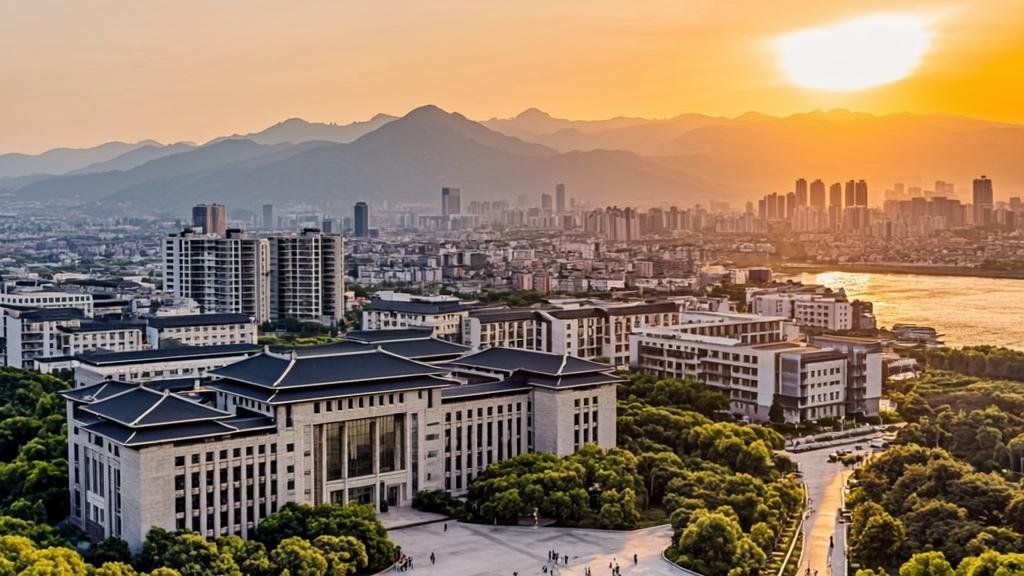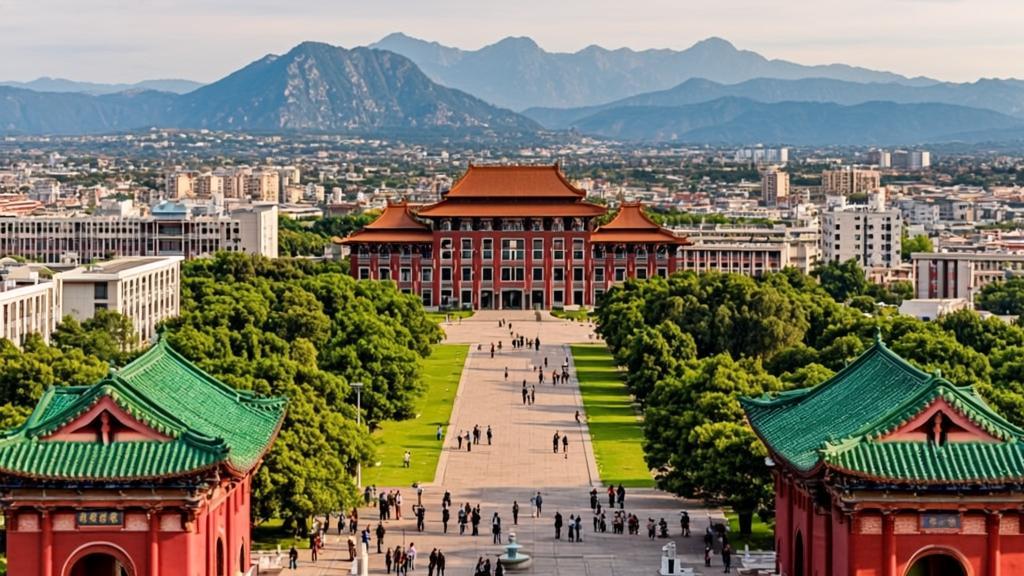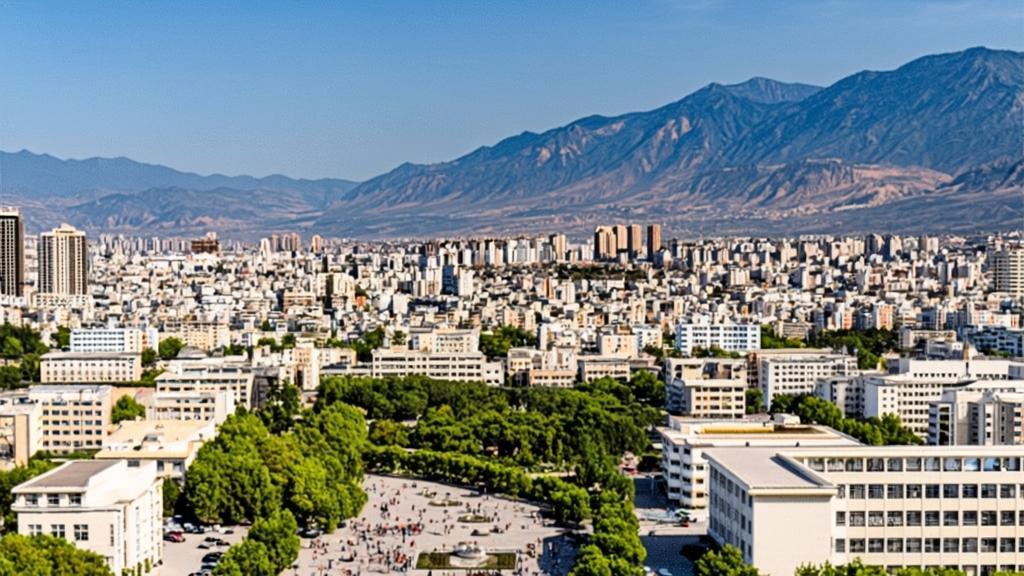
Lanzhou University sits at the crossroads of ancient Silk Road culture and cutting-edge scientific research. Founded in 1909, it ranks among China’s oldest and most respected institutions of higher education. Yet most international students have never heard of it. That’s actually part of its appeal. While coastal universities compete fiercely for global attention, this school quietly produces world-class research in fields that few other places can match.
So why should you care? Because the best opportunities often hide in plain sight.
Why This Northwest China University Deserves a Spot on Your Radar
Here’s the thing — China has over 1,500 universities. Most international students flock to Beijing, Shanghai, or Guangzhou. Fair enough. But Lanzhou University consistently ranks among the top 30 nationwide, which is a remarkable achievement for any institution outside the eastern seaboard.
According to the Academic Ranking of World Universities (ARWU), it placed in the 201–300 bracket globally in 2025 (ShanghaiRanking, 2025). That puts it alongside well-known European and North American research universities. The QS World University Rankings also list it in the 791–800 range (QS, 2025), though these two ranking systems use very different methodologies.
The Chinese Ministry of Education directly administers this institution. It also holds “Double First-Class” status — a designation roughly equivalent to belonging to the Ivy League or Russell Group, if you need a Western frame of reference. In other words, the government considers it a national priority for funding and academic development.
What Makes Studying Here So Different
Most universities offer standard programs in standard settings. This one offers something genuinely unusual. Its academic strengths grow directly from the geography and culture of northwest China. Think about it — where else can you study dry-land ecology at a global level? Or sand fluid dynamics? Or Tibetan Plateau sciences?
The ARWU subject rankings highlight several standout disciplines:
- Agricultural Sciences — ranked 37th globally
- Atmospheric Science — ranked 39th worldwide
- Water Resources — also 39th globally
- Chemistry — ranked 101–150 worldwide
- Ecology — ranked 76–100 globally
These aren’t arbitrary strengths. The Gobi Desert stretches to the northwest. The Yellow River flows right through the city. The Tibetan Plateau rises to the southwest. The university turns its location into a powerful research advantage. For students pursuing environmental science, geology, or climate-related fields, the surroundings function as a living laboratory.
In Western academia, you might compare this to how oceanography programs thrive in coastal cities. Context shapes research. Geography becomes curriculum.
Dunhuang Studies and Central Asian Research at Lanzhou University
Perhaps the most fascinating academic offering involves Dunhuang studies. The Mogao Caves — a UNESCO World Heritage Site — sit about 1,100 kilometers from campus. These caves contain thousands of Buddhist murals and manuscripts dating back to the 4th century.
The university runs one of the world’s leading research centers for Dunhuang scholarship. For students interested in art history, archaeology, or religious studies, this represents a genuinely rare opportunity. Cambridge and Harvard maintain Dunhuang collections, sure. But studying the subject while living in the region where those manuscripts actually originated? That kind of context changes your entire perspective.
Central Asian studies represent another area of excellence. Given the city’s historical position along the Silk Road, this makes perfect sense. Students explore ancient trade networks, cultural exchanges, and geopolitical dynamics that shaped civilizations across continents. It’s a bit like studying maritime history while living in a port city — the location enriches every lecture and every reading.
Campus Life at Lanzhou University
The campus enrolls approximately 35,600 students across undergraduate and graduate programs (ShanghaiRanking, 2025). About 578 international students currently attend. That number might seem small compared to bigger coastal schools. But many students actually prefer a tighter community where they don’t disappear into a crowd of foreign peers.
Two main campuses serve the student body. The Tianshui Road campus sits in downtown Lanzhou, offering easy access to the city’s shops, restaurants, and nightlife. The Yuzhong campus provides a more spacious, suburban setting about 40 kilometers away. Both feature modern dormitories, well-stocked libraries, dining halls, and sports facilities.
Now, let’s talk money — because this matters. Living costs in Lanzhou run significantly lower than in Beijing or Shanghai. A campus meal might cost 10–15 RMB (roughly $1.50–$2 USD). Off-campus restaurants stay affordable too. Rent, transportation, and daily expenses cost a fraction of what eastern cities charge. For budget-conscious students, this difference adds up fast over a full degree program.
How to Apply as an International Student
The application process follows patterns familiar to most Chinese universities. International applicants generally need to prepare:
- A valid passport
- Academic transcripts and a diploma or degree certificate
- Language proficiency evidence (HSK scores for Chinese-taught programs, or IELTS/TOEFL for English-medium tracks)
- A personal statement explaining academic goals
- Recommendation letters, especially for graduate programs
Programs taught in both Chinese and English are available. The range of English-medium options has expanded considerably in recent years, particularly at the master’s and doctoral levels. Fields like chemistry, ecology, environmental engineering, and atmospheric science often offer English-taught tracks.
Application deadlines typically fall between March and June for autumn enrollment. However, specific dates vary by program. Checking the official international admissions page well in advance remains essential.
Scholarships That Can Fund Your Lanzhou University Education
Cost shouldn’t stop qualified applicants. Several scholarship pathways exist, and they can cover substantial portions of your expenses.
Chinese Government Scholarship (CSC): This prestigious award covers tuition, accommodation, monthly living stipends, and comprehensive medical insurance. The institution serves as a designated CSC host. Competition exists, but applicants from underrepresented regions often receive favorable consideration.
Gansu Provincial Government Scholarship: This regional award targets international students choosing institutions in Gansu Province. It covers partial or full tuition depending on the specific program and applicant qualifications.
University-Level Merit Scholarship: Merit-based awards vary by department and academic performance. Some programs provide teaching or research assistantships as well.
The key point? Multiple funding paths exist. You don’t need to rely on a single application. Check the official international students portal for updated deadlines and eligibility criteria.
The City: More Than Just a University Town
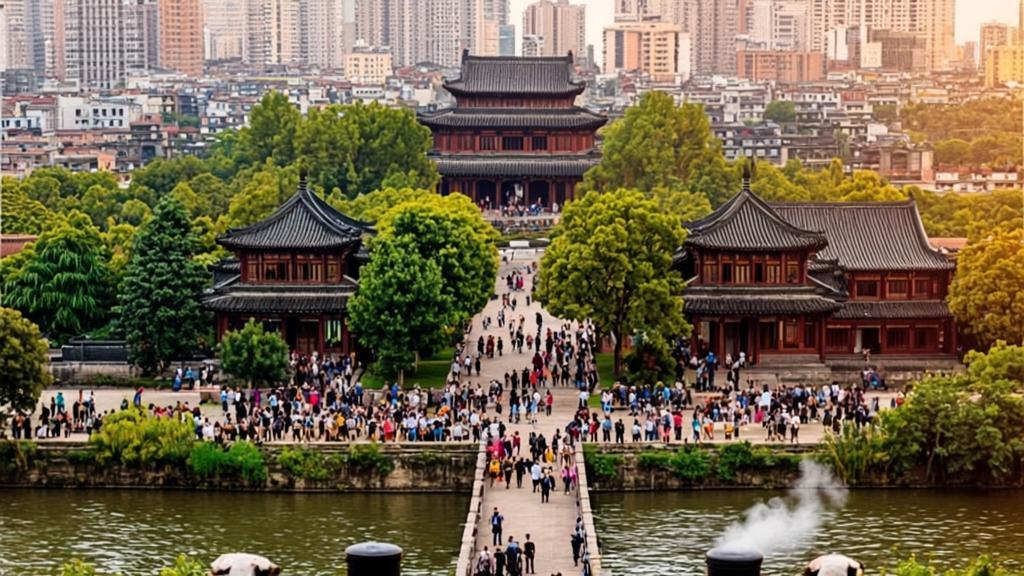
Beyond academics, Lanzhou offers genuine cultural depth and surprising beauty. The city stretches along the Yellow River valley, surrounded by rugged mountains. The scenery alone justifies the trip.
Here’s something food lovers should know. Lanzhou beef noodles (兰州牛肉面) rank among China’s most iconic dishes. The city claims birthplace status for this culinary legend — and locals take the claim very seriously. You’ll find noodle shops on practically every corner. Each bowl features hand-pulled noodles in clear beef broth with tender sliced meat, fresh herbs, and chili oil. Many food writers consider it one of the world’s great simple meals.
The Gansu Provincial Museum houses artifacts spanning thousands of years of Silk Road history. The famous “Flying Horse of Gansu” bronze resides here — one of China’s most recognizable cultural symbols. The Zhongshan Bridge, built in 1907 with German engineering assistance, crosses the Yellow River as a historic city landmark.
Weekend excursions open up even more possibilities:
- Labrang Monastery — one of the six great Tibetan Buddhist monasteries, alive with ceremony and tradition
- Zhangye Danxia Landform — the “Rainbow Mountains” that became a global social media sensation
- The Mogao Caves — a longer journey, but absolutely worth every hour of travel
Research Strength Behind Lanzhou University’s Global Recognition
Numbers tell part of the story here. The ARWU subject rankings confirm real excellence — top-40 positions globally in three separate fields represent serious research power (ShanghaiRanking, 2025). Approximately 3,780 faculty members drive this output. Several hold memberships in the Chinese Academy of Sciences, which signals significant peer recognition.
Active partnerships exist with universities across Asia, Europe, and North America. Joint research programs, exchange agreements, and visiting scholar arrangements all expand the academic network available to enrolled students.
What perhaps matters most for prospective students is the research environment itself. Fewer international students translates into more direct access to professors and laboratory resources. Graduate students, in particular, frequently report closer mentorship relationships than they experienced at larger, more crowded institutions.
Is Lanzhou University Right for You?
It depends on what you value. If you want a cosmopolitan campus with thousands of international peers and a buzzing nightlife scene, a major coastal city might suit you better. No shame in that.
But if you want deep academic immersion, remarkably affordable living, authentic cultural experiences, and research opportunities in fields that very few institutions worldwide can rival — this place deserves serious, careful consideration.
The Silk Road brought traders, scholars, and ideas to this region for thousands of years. In some meaningful ways, Lanzhou University continues that ancient tradition. It connects global students with China’s vast western frontier. And for the right person, that connection can shape an entire career.
References
ShanghaiRanking. (2025). Lanzhou University — Academic Ranking of World Universities. Retrieved from https://www.shanghairanking.com/institution/lanzhou-university
QS Quacquarelli Symonds. (2025). Lanzhou University — QS World University Rankings. Retrieved from https://www.topuniversities.com/universities/lanzhou-university