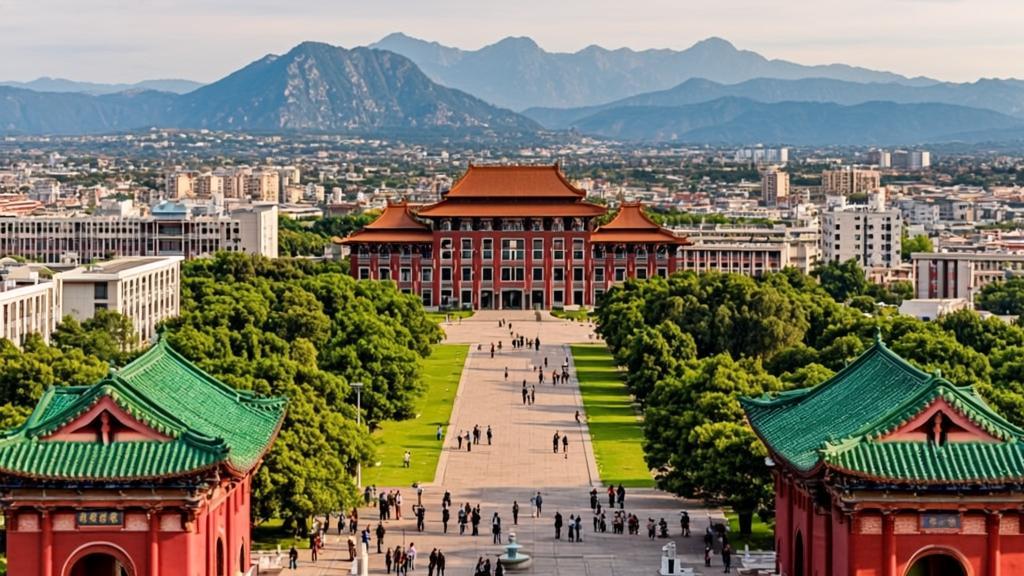
Shandong University sits at a genuinely interesting crossroads. It is one of China’s oldest modern universities — founded in 1901. And it is also one of the country’s fastest-rising research institutions today. That combination is rarer than it sounds. Most ancient universities coast on their reputation. Shandong University, or SDU, keeps building one.
But before getting into rankings and programs, there’s a cultural layer here worth understanding. Shandong Province is the birthplace of Confucius. It is, in a very real sense, the intellectual heartland of China. Studying at Shandong University means studying in the place where Chinese philosophy began. That’s not marketing language — it’s geography and history.
A Brief History of Shandong University Worth Knowing
SDU was established in November 1901 as the Imperial Shandong College, making it the second modern national university in China. Its precursor institution — a medical school founded in 1864 by American missionaries — is actually considered the starting point of modern Chinese higher education.
That origin story is fascinating. The earliest roots involved American and British mission colleges. A Presbyterian missionary, Watson McMillan Hayes, helped set up the institution. The name “Cheeloo University” — one of SDU’s precursor institutions — came from “Qilu,” a nickname for Shandong Province. It refers to the ancient states of Qi and Lu that once occupied this land, centuries before the Qin Dynasty unified China.
So the founding of Shandong University is, in a way, a collision of East and West at the turn of the 20th century. That blend of traditions shaped an institution with unusually broad academic ambitions.
The motto says it well: “Noble in spirit, endless in knowledge.”
Where Shandong University Stands Globally Right Now
Here’s the current picture, based on recent rankings:
- QS World University Rankings 2026: #339 — up from #360 in 2024 (TopUniversities, 2025)
- ARWU (Shanghai Ranking) 2025: #101–150 globally (Mastersportal, 2025)
- Nature Index 2025: #18 globally among leading academic institutions (UniversityGuru, 2025)
- ESI Rankings: 20 disciplines in the global top 1%, with five in the top 0.1% (Wikipedia / SDU profile)
That Nature Index position is perhaps the most striking. Ranking 18th globally for high-quality scientific research puts Shandong University ahead of many universities that carry more international name recognition in the West.
The Fields Where Shandong University Truly Shines
According to EduRank (2025), SDU ranks:
- 106th globally in both Chemistry and Engineering
- 186th in Biology
- 259th in Medicine
- 15th in China for Chemistry overall
Biotechnology is another standout. SDU ranks 13th globally in Biotechnology in certain subject-specific tables. And beyond the hard sciences, the university has a serious research presence in mathematics, physics, and computer science.
The Liberal Arts Side That Many People Overlook at Shandong University
Here’s something that surprises many people. Shandong University is best known historically for its liberal arts programs — not its science labs.
According to Times Higher Education, this reputation grew during the 1930s to 1950s, when the university was located in Qingdao — a city that attracted many of China’s most celebrated writers and thinkers.
The writer Lao She, author of the classic novel Rickshaw Boy and the play Teahouse, taught at predecessor institutions linked to SDU. More recently, Nobel Prize in Literature winner Mo Yan — the first mainland Chinese writer to win the prize — served as a graduate supervisor at SDU. His 2012 Nobel was awarded for work the committee described as combining “folk tales, history, and the contemporary.” Fitting, given that Shandong is the cultural heartland his fiction draws from.
In some ways, this resembles the connection between Faulkner and the American South — a writer whose voice is inseparable from the land and history of a specific place. Mo Yan is to Shandong what Faulkner was to Mississippi.
Eight Campuses Across Three Cities: A Unique Study Setup
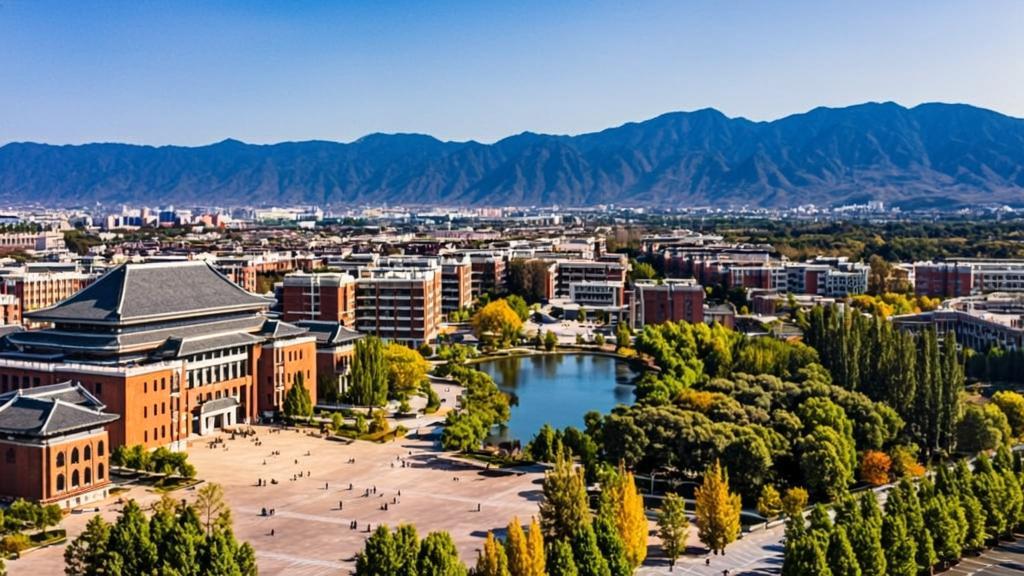
Shandong University has eight campuses spread across three cities: Jinan, Qingdao, and Weihai. Each city offers a different environment.
- Jinan (Central Campus and five others): The capital of Shandong Province, nicknamed “Spring Water City” for its famous natural springs. It has a recorded history of over 2,600 years.
- Qingdao Campus: A coastal city with German colonial architecture, known for Tsingtao beer and a lively international scene.
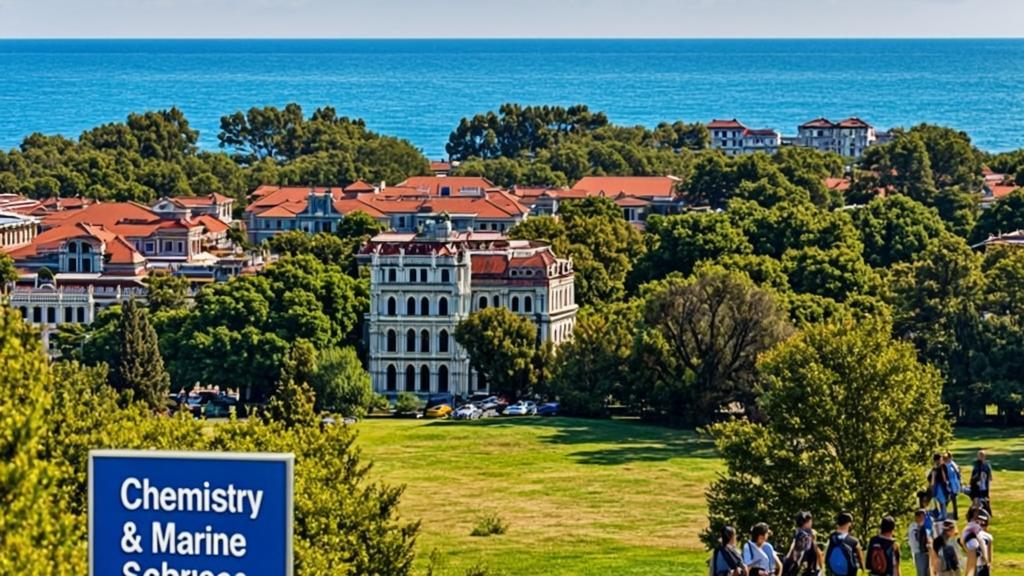
- Weihai Campus: Sits directly by the Yellow Sea. The campus covers about 1 million square meters and has arguably the most scenic setting of any SDU campus.
In short, students at Shandong University don’t just study at one place. They study in a province. That’s an unusual offer.
Studying at Shandong University as an International Student
SDU currently has over 43,000 enrolled students total, with more than 1,600 international students from over 60 countries (TopUniversities, 2025). The international student apartments sit on the Central and Baotuquan campuses in Jinan, with single and double room options.
International students can join degree programs at bachelor’s, master’s, and doctoral levels. There are also Chinese language programs at five proficiency levels — a practical entry point for those who want to learn Mandarin first.
One thing worth noting: Jinan is 43% cheaper to live in than Shanghai and about 25% cheaper than Beijing (China Admissions, 2023). That gap matters over the course of a full degree.
Scholarships at Shandong University
Multiple funding routes exist for international applicants:
- Chinese Government Scholarships (CSC): Type A and Type B — full coverage of tuition, accommodation, and monthly stipend
- Shandong University Scholarship for International Students: Fee coverage ranging from RMB 9,000 to 40,000
- SDU Freshman Scholarship: For new international students in good academic standing
- Jinan Sister Scholarship: Available through city-level partnership agreements
- China Studies Program Scholarship: For specific research-oriented programs
Application details and deadlines are available directly on Shandong University’s official admissions platform. Self-supporting student applications typically run from January 1 to May 31 for the fall semester.
The Confucius Connection: Why Location Actually Matters Here
Shandong Province is the birthplace of Confucius. His hometown, Qufu, sits in southwestern Shandong — about 160 km from the main Jinan campus. This isn’t a coincidence or a tourist footnote. The Qilu cultural tradition that shaped this province also shaped the philosophy behind Chinese education itself.
Think of it this way. Studying classics in Oxford has a certain weight because Oxford is part of the Western intellectual tradition. Studying in Shandong carries a comparable weight in the Chinese one. The university’s motto — “Reserve talents for the world, and seek prosperity for the nation” — reflects that Confucian sense of scholarship as public service.
For foreign students interested in Chinese culture, philosophy, or history, this is arguably the most intellectually situated place to be in China. SDU also runs 8 Confucius Institutes in countries including South Korea, Singapore, Australia, France, and the Netherlands.
A Few Practical Notes Before Applying
- Programs available in English: MBBS (Clinical Medicine) and various graduate programs in science and engineering
- Library: One of the oldest modern libraries in China, with over 3.55 million items across campuses
- Research facilities: 2 national key research labs, 21 provincial and ministerial research labs, a national engineering and technology promotion center
- Teaching hospitals: 4 affiliated hospitals including Qilu Hospital, plus 12 teaching hospitals
- Alumni in Fortune Global 500: A Mines ParisTech ranking placed SDU first in China for alumni holding CEO positions in Fortune Global 500 companies (Wikipedia, 2025)
That last figure is easy to overlook. But it speaks directly to how seriously Chinese industry takes an SDU degree.
References
- TopUniversities. (2025). Shandong University: Rankings, fees & courses details. QS Quacquarelli Symonds. https://www.topuniversities.com/universities/shandong-university
- Mastersportal. (2025). Shandong University rankings & reviews. https://www.mastersportal.com/rankings-reviews/13111/shandong-university.html
- UniversityGuru. (2025). 27 rankings of Shandong University 2026. https://www.universityguru.com/university/shandong-university-jinan
- EduRank. (2025, March 2). Shandong University 2025 rankings by topic. https://edurank.org/uni/shandong-university/rankings/
- Times Higher Education. (2025). Shandong University. https://www.timeshighereducation.com/world-university-rankings/shandong-university
- Wikipedia Contributors. (2025). Shandong University. Wikipedia, The Free Encyclopedia. https://en.wikipedia.org/wiki/Shandong_University
- Wikipedia Contributors. (2025). Qilu culture. Wikipedia, The Free Encyclopedia. https://en.wikipedia.org/wiki/Qilu_culture
- China Admissions. (2023). 11 reasons to study at Shandong University. https://www.china-admissions.com/blog/11-reasons-to-study-in-shandong-university-2/
- U.S. News & World Report. (2024). Shandong University: Best global universities. https://www.usnews.com/education/best-global-universities/shandong-university-505166
- Britannica. (2024). Mo Yan: Biography, books, Nobel Prize, & facts. https://www.britannica.com/biography/Mo-Yan