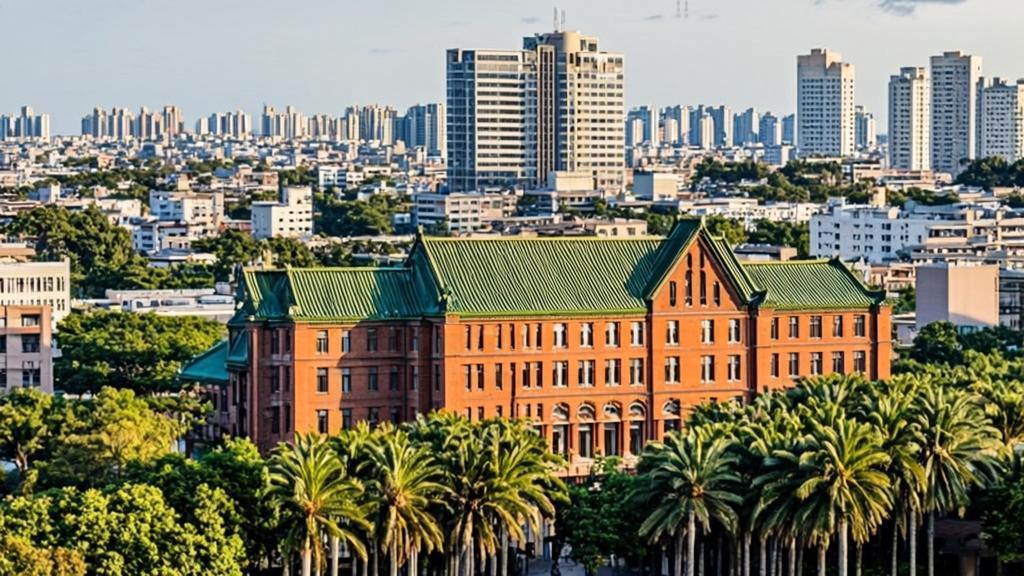
Sun Yat-sen University isn’t just a place to get a degree. It’s one of those institutions that carries real historical weight — the kind that, once you understand it, changes how you see modern China entirely.
Founded in 1924 by Dr. Sun Yat-sen — the revolutionary leader who helped end imperial China — the university in Guangzhou has grown into one of Asia’s most respected research centers. Think of it like China’s version of institutions founded by storied national figures, similar to how Thomas Jefferson founded the University of Virginia or how Atatürk established institutions to modernize Turkey. The founding story isn’t just background noise. It shapes the whole spirit of the place.
But what does that actually mean for someone thinking about studying here? Let’s break it down.
Why Sun Yat-sen University Stands Out in Global Rankings
Rankings aren’t everything, but they do tell a story. And the story here is impressive.
Sun Yat-sen University ranks #276 in the QS World University Rankings 2026, placing it consistently among the top universities in China. According to Times Higher Education, the university holds position #201 in the 2025 THE World University Rankings. Meanwhile, US News ranks it #85 in Best Global Universities.
That’s not just strong — it’s consistent across multiple independent ranking systems.
What makes the academic profile even more interesting is the depth in specific fields:
- Medicine: Ranked 2nd in China and 75th globally
- Environmental Engineering: Ranked #26 globally
- Computer Science: Ranked #66 globally (TopUniversities, 2025)
- Biology: Ranked 4th in China and 68th globally
These aren’t vanity rankings. They reflect real research output. Scholars affiliated with Sun Yat-sen University have accumulated over 2.8 million citations, with a mean of roughly 17,000 citations per researcher. That’s a level of academic influence that matches serious global institutions.
What Is Sun Yat-sen University Like in Practice?
Five Campuses Across Three Cities
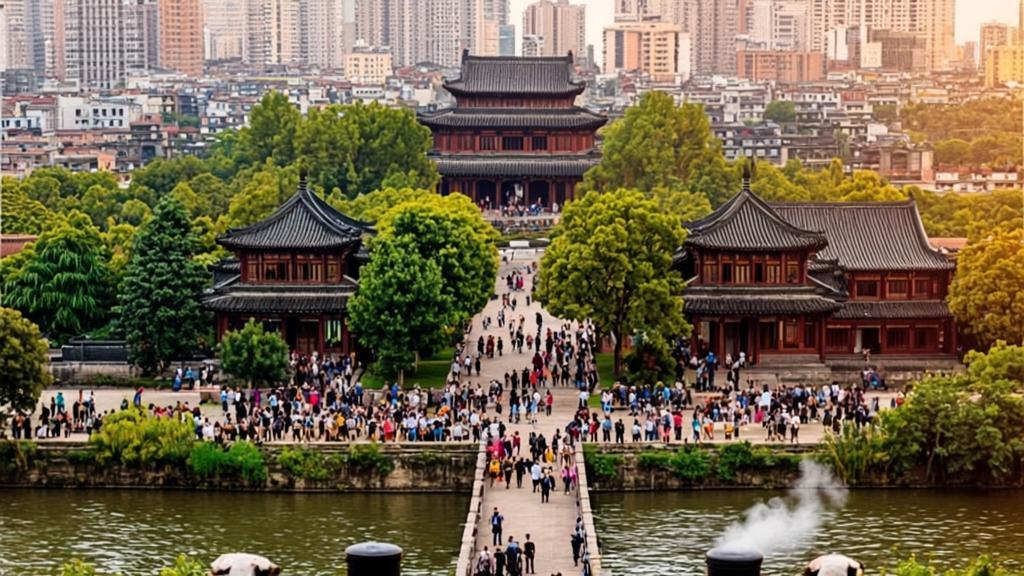
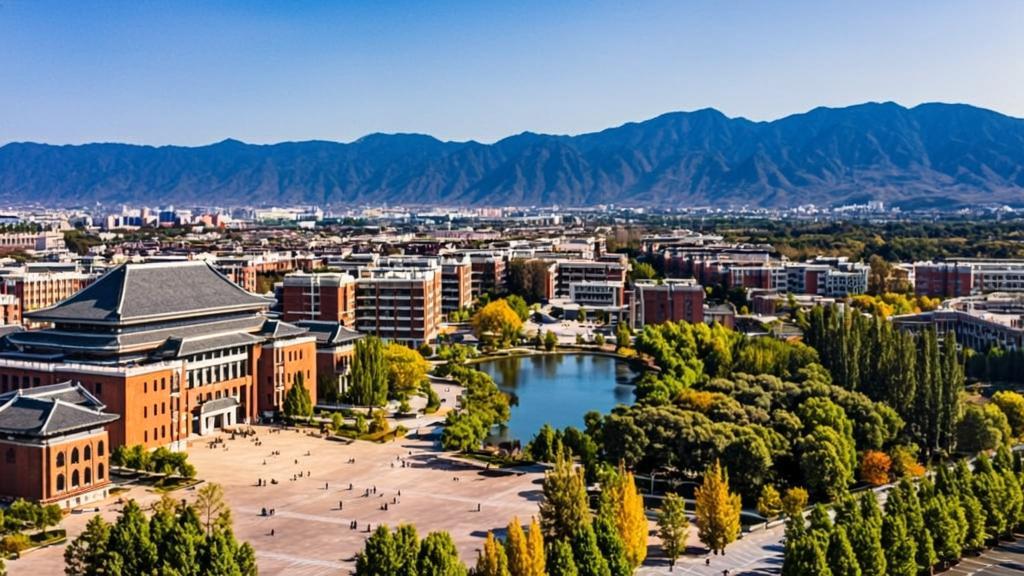
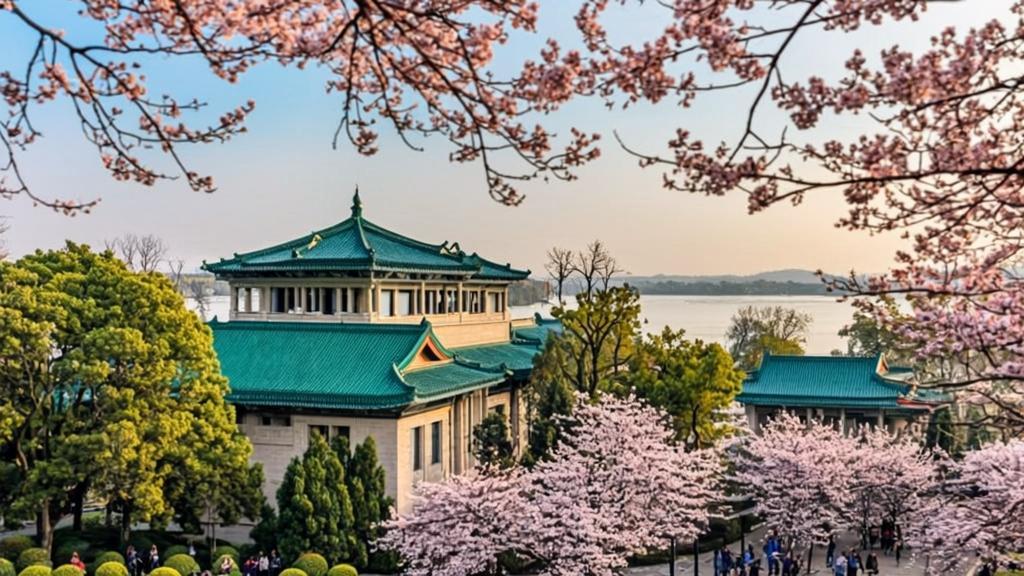
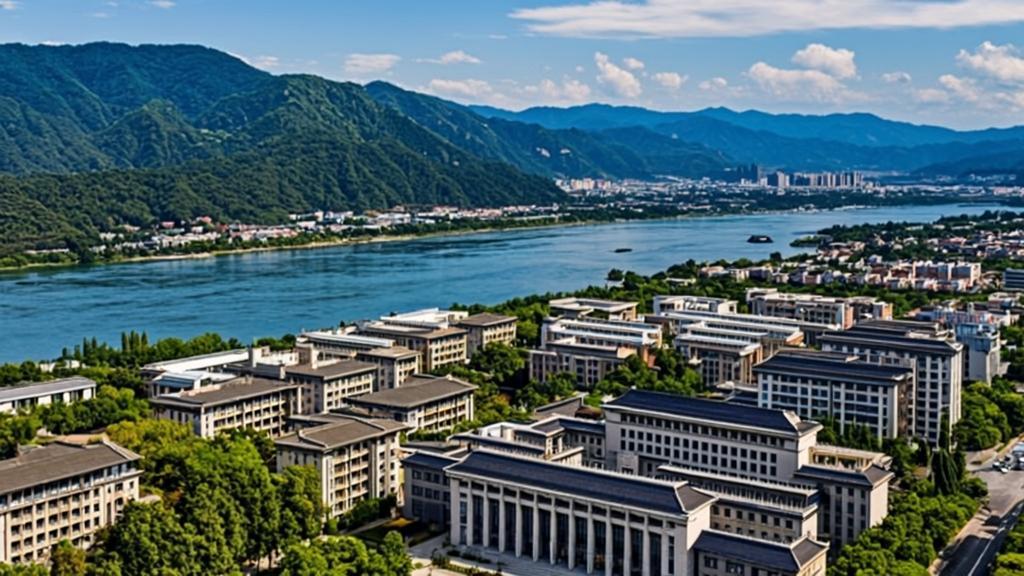
This is something that surprises a lot of people. Sun Yat-sen University has five campuses spread across three cities: Guangzhou, Zhuhai, and Shenzhen. That’s not common, even for large universities worldwide.
Each campus has its own character:
- Guangzhou South Campus — sciences and humanities, right in the urban core
- Guangzhou North Campus — focused on medical sciences
- Guangzhou East Campus — located on Xiaoguwei Island, surrounded by water
- Zhuhai Campus — more relaxed, coastal setting near Macau
- Shenzhen Campus — the newest, opened in 2018 in one of China’s most tech-forward cities
Having campuses near Hong Kong and Macau is genuinely useful. The Greater Bay Area is one of the most economically dynamic regions in the world right now. Students here don’t just study in a bubble — they’re in the middle of where things are actually happening.
A Truly Massive Academic Scope
At the undergraduate level, Sun Yat-sen University offers courses in 102 subject areas. At the graduate level, master’s degrees are available in 251 areas, and doctoral programs in 180. In terms of breadth, that’s comparable to major research universities in Europe or North America.
The university covers humanities, social sciences, natural sciences, technical sciences, medical sciences, pharmacology, and management sciences. In other words, almost whatever you want to study, there’s likely a program for it.
How Sun Yat-sen University Welcomes International Students
Programs Taught in English
This is often the first question for foreign applicants. The short answer: yes, there are English-taught options.
Sun Yat-sen University offers undergraduate programs taught in English for international students, including Computer Science and Technology and Tourism Management. It also offers an International Master of Business Administration (IMBA) program, available both full-time and part-time.
The Lingnan College at Sun Yat-sen University is ranked #30 in Full-time MBA Rankings for Asia in 2026. For business students, that’s a serious credential.
The Numbers Behind the International Community
Approximately 83,000 students attend SYSU, of whom around 3,200 are international students from over 100 countries. The university also maintains more than 50 alumni organizations around the world.
That said, if you speak some Chinese (or are willing to learn), the experience opens up considerably. The School for Overseas Educational Exchange (SOEE) runs short-term programs in Chinese language, Chinese culture, calligraphy, and shadowboxing, lasting from one to four weeks. These programs are a surprisingly good entry point — structured, social, and hands-on.
Scholarships and Living Costs
The university offers its own scholarships, including tuition waivers and stipends. Beyond that, the Chinese Government Scholarship (CSC) is the most widely used route for international students at institutions like this.
As for accommodation, single rooms on campus cost around RMB 1,500 per month, while double rooms run approximately RMB 950 per month. For reference, that’s quite affordable compared to university housing in Western Europe or North America.
Life in Guangzhou: What to Expect Off-Campus
Here’s where things get genuinely interesting for anyone who’s never been to southern China.
Guangzhou isn’t Beijing. It’s not Shanghai either. It’s its own thing — arguably the most food-obsessed city in the entire country, with a trading history stretching back over 2,000 years. Known as the “City of Flowers,” Guangzhou has a subtropical climate and a history of more than 2,200 years. The Cantonese food culture here is something people travel specifically to experience. Dim sum, roasted meats, fresh seafood — it’s difficult to eat badly in Guangzhou.
Compared to studying in a European university town, the contrast is sharp. City life is faster. The infrastructure (metro, high-speed rail, digital payments) is remarkably convenient. Guangzhou is home to a large international population and provides a welcoming environment for foreign students and professionals.
The city also connects you easily to Hong Kong (about 1 hour by high-speed rail) and Macau. For international students who want to travel, the location is nearly ideal.
A Note on the Historical Significance
It’s worth pausing on the name itself. Dr. Sun Yat-sen — called Guofu (Father of the Nation) in China — is one of the few historical figures deeply respected across political lines in the Chinese-speaking world. He’s revered in mainland China, Taiwan, and among many overseas Chinese communities.
Choosing to found a university was a deliberate act. Dr. Sun believed education was the foundation of a modern nation — a view that has interesting parallels with leaders like Mustafa Kemal Atatürk in Turkey or Simón Bolívar’s educational initiatives in Latin America. The university doesn’t just carry a famous name. It carries a specific philosophy: that rigorous learning and national development are inseparable.
That philosophy, whether you agree with it or not, still shapes how the institution sees its role.
Should You Study at Sun Yat-sen University?
The honest answer depends on what you’re looking for.
If you want:
- A globally ranked university in a dynamic, affordable Chinese city
- Strong programs in medicine, environmental science, business, or computing
- Exposure to Cantonese culture in a region near Hong Kong
- A campus environment that genuinely values internationalization
Then Sun Yat-sen University is worth taking seriously.
If you’re concerned about:
- Language barriers (manageable, but real)
- Distance from major Western hubs
- A campus culture that may feel unfamiliar at first
Those are valid considerations too. But in practice, most international students find the adjustment faster than expected — especially given SYSU’s approach of providing services and activities for international students comparable to those offered to Chinese students.
References
- Times Higher Education. (2025). Sun Yat-sen University. Retrieved from https://www.timeshighereducation.com/world-university-rankings/sun-yat-sen-university
- QS Top Universities. (2025). Sun Yat-sen University: Rankings, Fees & Courses Details. Retrieved from https://www.topuniversities.com/universities/sun-yat-sen-university-guangzhou
- U.S. News & World Report. (2025). Sun Yat Sen University. Retrieved from https://www.usnews.com/education/best-global-universities/sun-yat-sen-university-506062
- EduRank. (2025). Sun Yat-sen University Rankings by Topic. Retrieved from https://edurank.org/uni/sun-yat-sen-university/rankings/
- Research.com. (2024). Sun Yat-sen University — University Profile. Retrieved from https://research.com/university/sun-yat-sen-university
- Wikipedia contributors. (2025). Sun Yat-sen University. In Wikipedia, The Free Encyclopedia. Retrieved from https://en.wikipedia.org/wiki/Sun_Yat-sen_University
- Sun Yat-sen University Office of International Students’ Affairs. (2024). Admissions Guide for International Students. Retrieved from https://iso.sysu.edu.cn/en/application/selffunded/1413214.htm
- ApplyForChina. (2025). Sun Yat-sen University: Rankings, Acceptance Rate. Retrieved from https://applyforchina.com/universities/sun-yat-sen-university/
- CUCAS. (2025). Sun Yat-sen University (SYSU). Retrieved from https://sysu.cucas.cn/
- University. (2025). 30 Rankings of Sun Yat-sen University 2025. Retrieved from https://www.universityguru.com/university/sun-yat–sen-university-guangzhou