China’s wholesale network is not one market. It is a system of specialized cities, each dominating a different product category, operating simultaneously across a country the size of a continent. The LED lights in a Berlin subway car, the yoga mats in a Los Angeles fitness studio, the phone cases in a Lagos street market — most trace back to the same network. Understanding how that system is structured, and where you fit inside it, is the difference between profitable sourcing and expensive confusion.
The Map: China’s Major Wholesale Markets
Most foreign buyers arrive knowing only one name: Yiwu. Yiwu is real and important, but it is one node in a much larger network. Each city specializes, and choosing the wrong one for your product category costs time and money.
Yiwu, Zhejiang — Small Commodities
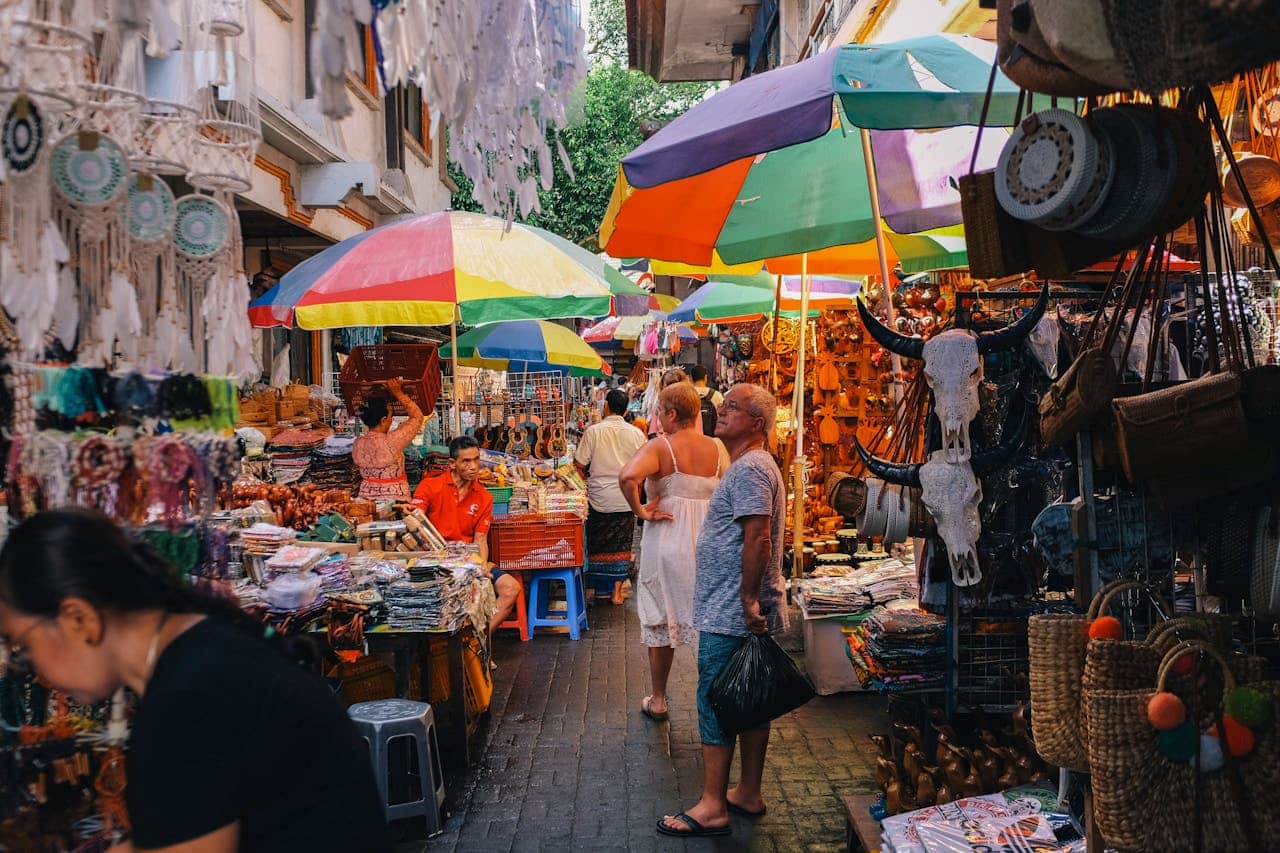
Yiwu International Trade City is the world’s largest wholesale market by number of booths — over 75,000 shops across five districts. Its strength is variety and low minimum order quantities. Christmas decorations, fashion jewelry, toys, socks, artificial flowers, stationery, phone accessories — if it fits in a shipping carton and sells at retail for under $30, Yiwu almost certainly has it. Over 70% of the world’s Christmas decorations are produced and exported from here. For first-time foreign buyers, Yiwu is the most accessible starting point: English is spoken at many booths, the logistics infrastructure is mature, and online platforms like Yiwugo.com allow remote sourcing without visiting in person. For a full guide to what Yiwu sells and how to source from it, see the Yiwu Market guide.
Guangzhou, Guangdong — Fashion and Electronics
Guangzhou’s wholesale ecosystem is anchored by two clusters. Haizhu District houses the garment wholesale markets — Shisanhang, Guangzhou International Textile City, and dozens of smaller buildings — where tens of thousands of clothing styles move daily. For electronics and tech accessories, the Huaqiangbei district in neighboring Shenzhen is the global benchmark: components, finished gadgets, OEM electronics, and prototype manufacturing concentrated in a few square kilometers. Guangzhou also hosts the Canton Fair twice yearly, the world’s largest trade fair, which serves as the formal gateway for foreign buyers to meet Chinese manufacturers across every product category.
Linyi, Shandong — Building Materials and Hardware
Less known internationally but enormous in scale, Linyi’s wholesale market covers building materials, hardware tools, furniture components, and industrial supplies across an area equivalent to several thousand football fields. For buyers in construction, home improvement retail, or industrial sourcing, Linyi offers prices and product depth that Yiwu cannot match.
Foshan, Guangdong — Furniture and Ceramics
Foshan is China’s furniture and ceramics capital. The Lecong furniture market is one of the largest furniture wholesale centers in the world. Ceramic tile, sanitary ware, lighting fixtures, and home furnishing components cluster here. Buyers sourcing for interior design, property development, or furniture retail are better served in Foshan than anywhere else in China.
Chengdu, Sichuan — Western China Gateway
Chengdu’s International Trade City serves as the wholesale hub for western China, with particular strength in ethnic minority handicrafts, Tibetan goods, tea, and regional specialty products. For buyers targeting the cultural goods, gift, or specialty food markets, Chengdu offers product categories unavailable in eastern wholesale clusters.
1688 vs Alibaba: Which Platform for Wholesale
These two platforms are frequently confused. They serve fundamentally different purposes.
Alibaba.com is export-oriented. Suppliers on Alibaba expect international buyers, maintain English customer service, hold export licenses, and provide documentation for customs. Prices reflect this — typically 8% to 15% higher than domestic wholesale prices. For buyers who cannot manage Chinese-language communication, Alibaba is the practical starting point.
1688.com is China’s domestic wholesale platform. Prices are factory-direct and substantially lower. The entire interface is in Chinese, payment requires a Chinese Alipay account, and suppliers default to domestic shipping addresses. However, for buyers who can manage the language barrier — either directly or through an agent — 1688 provides access to base wholesale pricing that Alibaba cannot match.
The practical approach used by experienced buyers: search on Alibaba to identify suppliers and products, then locate the same factory on 1688 to compare pricing. If the price difference exceeds 10–12% and you can manage logistics, placing orders through 1688 via a sourcing agent often saves meaningfully on larger orders.
Canton Fair: The Formal Gateway
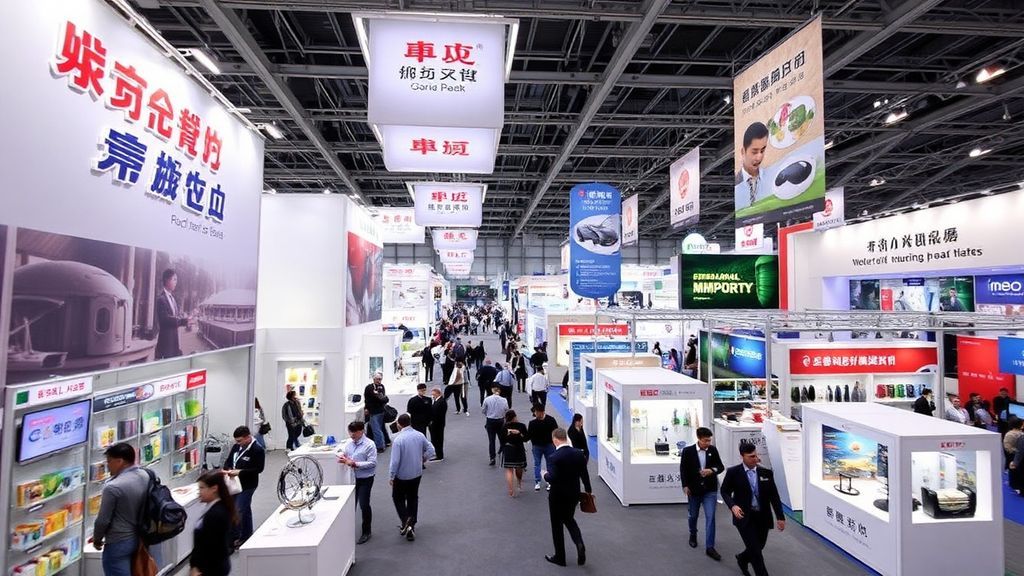
The China Import and Export Fair, held in Guangzhou every April and October, is the world’s largest trade fair. Over 25,000 Chinese manufacturers exhibit across three phases, each covering different product categories. Unlike wholesale markets where buyers browse ready stock, Canton Fair connects buyers directly with manufacturers for OEM production, custom orders, and long-term supply relationships.
For buyers whose volumes justify custom manufacturing rather than off-the-shelf wholesale, Canton Fair is the most efficient way to meet verified manufacturers across dozens of industries in a single trip. Registration is free for foreign buyers. Phase one covers electronics, machinery, and building materials. Phase two covers consumer goods, gifts, and home décor. And phase three covers textiles, clothing, shoes, and office supplies.
Sourcing Without Visiting China
Physical visits produce better results but are not always possible. Several reliable remote sourcing options exist.
Online platforms: ChinaGoods, Yiwugo, Alibaba, and 1688 all enable remote sourcing with varying degrees of language support and buyer protection.
Sourcing agents: A China-based sourcing agent handles supplier identification, price negotiation, quality inspection, and shipping coordination on behalf of the foreign buyer. Agent fees typically range from 5% to 10% of order value. For first-time buyers or those placing complex multi-supplier orders, a competent agent reduces risk substantially. The key is verifying the agent’s track record — request references from existing clients before engaging.
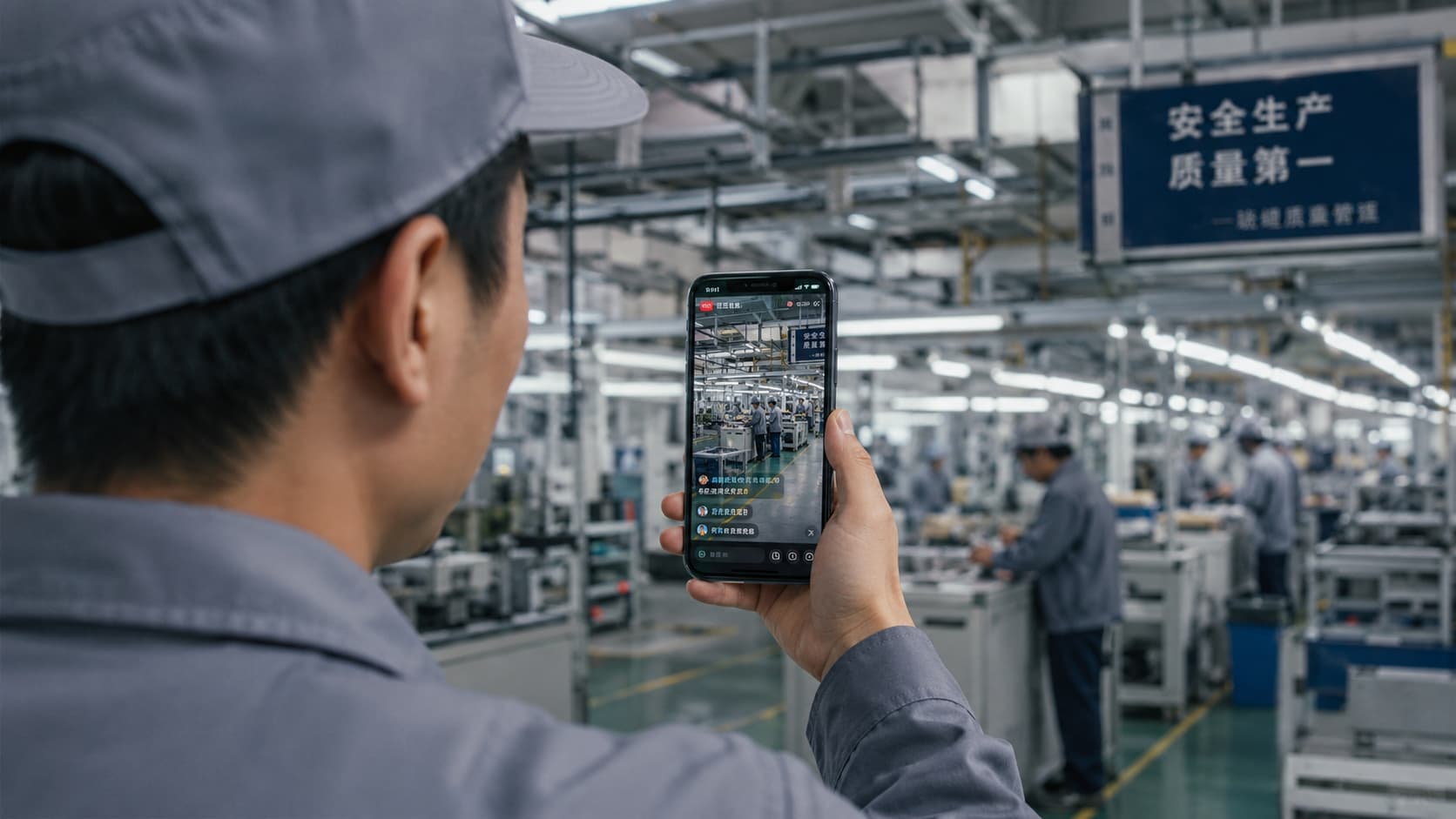
Video verification: Before placing any order with a new supplier, request a video call touring the production facility or warehouse. A supplier unwilling to do this warrants caution. Live video eliminates the most common form of supplier fraud — photo misrepresentation.
Bargaining and Pricing
Chinese wholesale prices are not fixed. The quoted price is a starting position. Several factors influence how much movement is possible.
Order volume is the primary lever — larger orders unlock lower unit prices. Showing comparable prices from competing suppliers or from 1688 creates legitimate downward pressure. Long-term relationship signals — indicating intent to reorder regularly — motivate suppliers to offer better pricing on initial orders to secure the relationship.
The most effective bargaining technique in physical markets is silent: write your target price on a calculator and show it. Avoid percentages and verbal negotiation, which slow the process. The final hour before market closing (typically after 4pm) is when sellers are most willing to clear inventory at reduced prices.
Payment, Quality Inspection, and Logistics
Payment: For Alibaba orders, Trade Assurance provides buyer protection — payment is held until the buyer confirms receipt and quality. For 1688 and direct factory orders, standard international bank transfers (T/T) are the norm. Never pay 100% upfront to a new supplier. The standard structure is 30% deposit to initiate production and 70% upon completion, after quality inspection.
Quality inspection: Third-party inspection services — SGS, Bureau Veritas, and TÜV Rheinland all operate in China — conduct pre-shipment checks for a per-day fee. For orders exceeding $5,000, inspection costs are typically offset by defect prevention. Yiwu has an SGS branch. For factory orders elsewhere, inspectors travel to the production site.
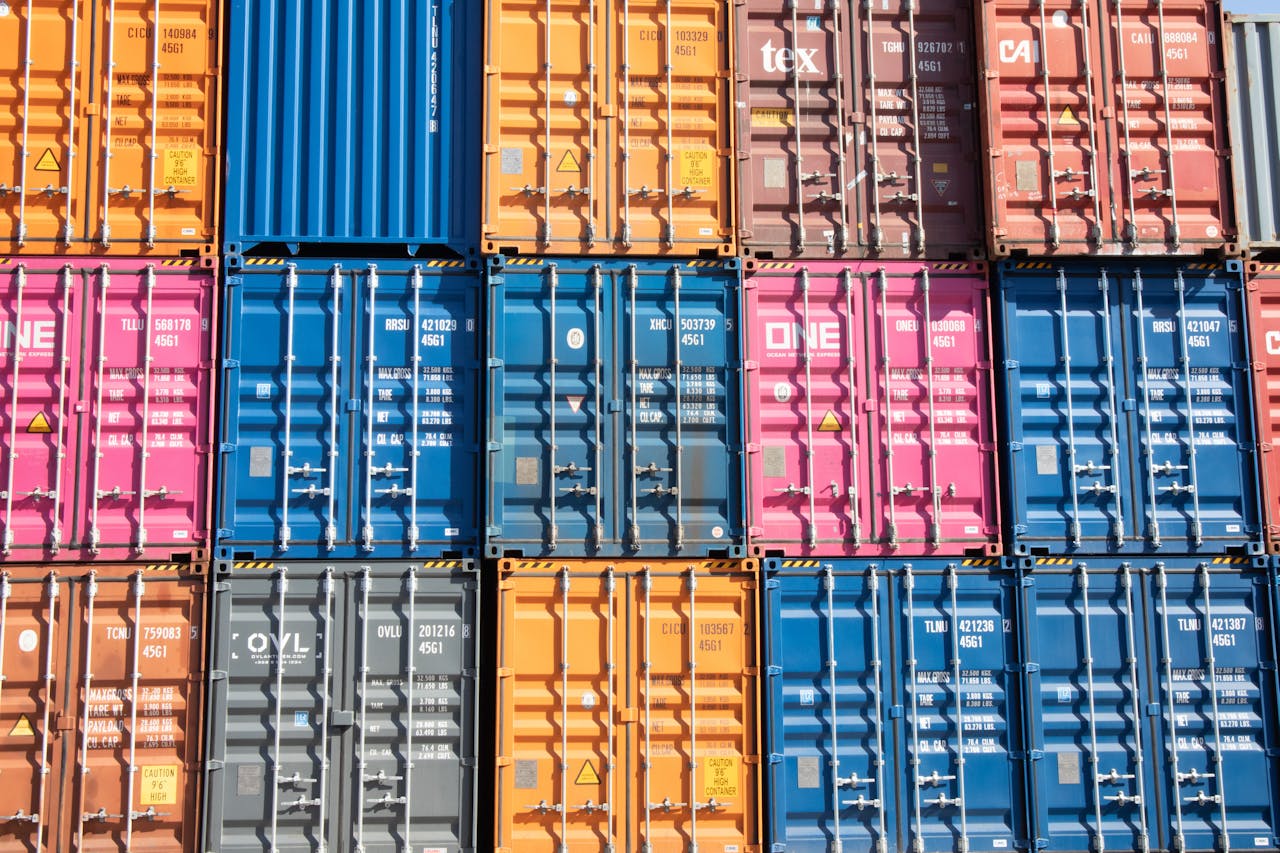
Logistics: Two main routes dominate for most buyers. European and American shipments typically move through Ningbo port, which offers the most competitive freight rates for full container loads. South American and Middle Eastern shipments often route through Shenzhen, which has more frequent connections. For shipments under one full container, Less-than-Container Load (LCL) consolidation through Yiwu-area freight forwarders costs a fraction of express delivery — approximately $0.90 per kilogram versus $4–5 per kilogram for courier services.
Always request “customs code pre-classification” from your freight forwarder before shipping. Incorrect customs codes are the most common cause of shipment detention at destination ports.
Avoiding Common Mistakes
Skipping supplier verification. A legitimate manufacturer has a business license, a physical facility, and verifiable transaction history. Before placing any first order, request the supplier’s business license, conduct a video call, and check their Alibaba or 1688 transaction history. The complete supplier verification guide covers this process in detail.
Choosing the wrong market for the product. Buying furniture in Yiwu and Christmas decorations in Foshan costs more and produces worse results than sourcing each in its specialist market.
Ignoring packaging specifications. Many buyers focus entirely on product price and ignore packaging. Damaged packaging on arrival destroys retail value. Specify packaging requirements explicitly — material, dimensions, labeling — in every purchase order.
Underestimating lead times. Standard production lead times run 15–30 days after deposit payment, plus 20–40 days for ocean freight. Planning shipments without accounting for both legs results in stock shortages.
References
China Council for the Promotion of International Trade. (2026). Canton Fair official buyer registration. https://www.cantonfair.org.cn/en
ChinaGoods. (2026). Yiwu International Trade City official platform. https://www.chinagoods.com/
State Administration for Market Regulation. (2025). Business license verification system. https://www.gsxt.gov.cn/
Yiwugo. (2026). Yiwu wholesale market online platform. https://www.yiwugo.com/
Contact Us Now
+852 5173 8500
+86 166 5101 5270
collabs@olachina.org
Hongkong | Beijing | Nanjing, CHINA
Alternatively, you are also invited to interact with us via the following channels or chat live on WeChat. We Look forward to hearing from you soon.😄