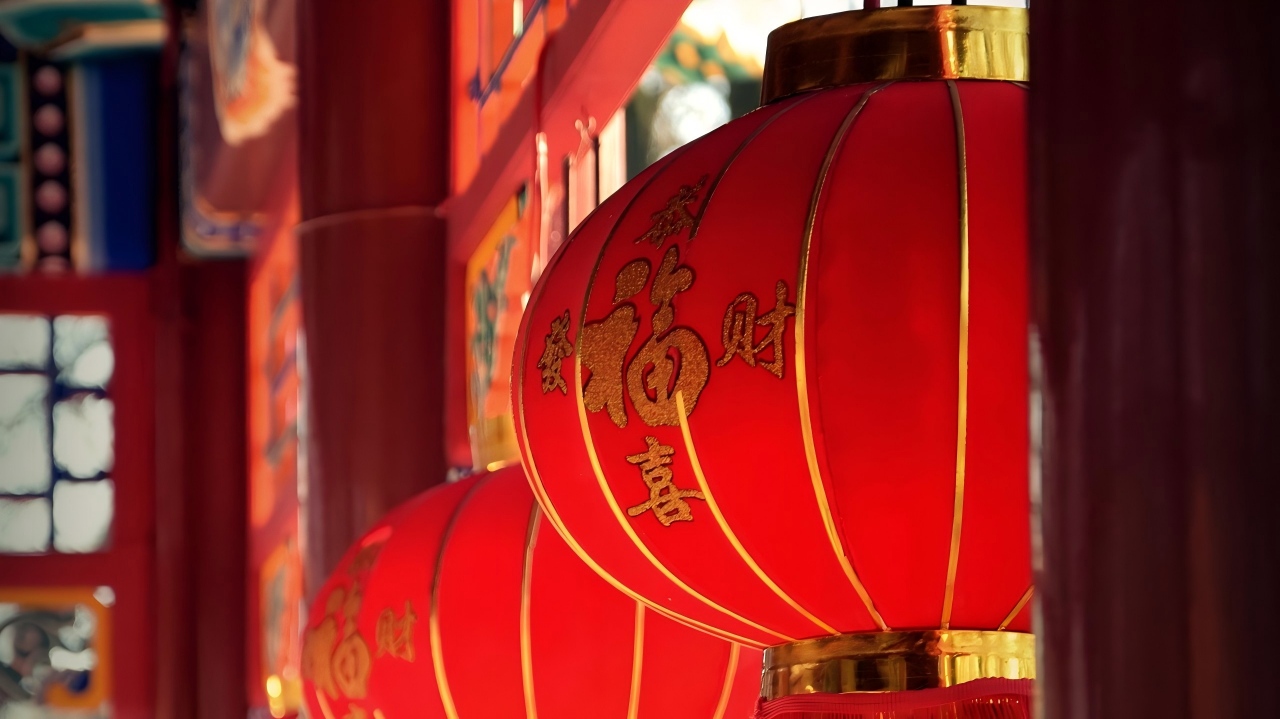
Chinese culture is the only ancient culture that endures to the present without a break, shaped by thousands of years. Today, it becomes a dynamic blend of ancient customs and modern innovation, offering an unparalleled tapestry. This page is your gateway to exploring the richness of Chinese culture.
Traditional Chinese Culture
- Philosophies and Beliefs: Confucianism, Taoism, and Buddhism form the backbone of Chinese philosophy, shaping values like respect, harmony, and balance in daily life.
- Arts and Literature: Explore China’s contributions to arts, from classical poetry and calligraphy to ink painting and architecture. Delve into masterpieces like The Dream of the Red Chamber and traditional Chinese opera.
- Language and Symbols: Explore Chinese character culture, idioms, and allusions. Explore Chinese traditional symbols and their meanings (dragon, phoenix, peony, etc.)
- Knowledge and Education: Explore ancient Chinese wisdom from Yi and so on. Explore the unique Chinese traditional education system to understand the ancient Chinese spirit core.
Intangible Cultural Heritage
- Performing Arts: China’s performance art has a long history and rich forms, covering Peking Opera, Kunqu Opera, and other opera and puppet shows, quyi, rap art, Martial arts, Tai Chi, etc, delivering folk wisdom and emotional sustenance.
- Traditional Crafts: The traditional Chinese arts and crafts are concentrated on the efforts of craftsmen. The weaving techniques, such as embroidery and brocade, the crafts such as porcelain and lacquerware, and the papermaking and carving printing are precious intangible cultural heritage.
- Rituals & Festive Events: Etiquette and festivals are an important carrier of Chinese culture, including festival-related traditional ceremonies, community celebrations, and folk beliefs, highlighting the traditional values of harmony and reunion.
- Cuisine & Lifestyle: Diet and lifestyle are an important part of Chinese culture to the present. Tea art, brewing(like baijiu), traditional cooking skills, traditional Chinese medicines, and the Tonic Diet dietetic culture run through the concept of balanced nutrition.
- Folk Literature & Oral Traditions: Folk literature and oral tradition are the spiritual wealth of the Chinese nation, including myths and legends, folktales, folk songs, and ballads, carrying cultural memory and values.
Ethnic Groups
- Ethnic Map of China: China is home to 56 ethnic groups, with various languages, customs, and traditions. The Han people make up the largest proportion and contribute significantly to China’s shared cultural identity. Other ethnic groups like the Zang, Uyghur, Mongolian, Zhuang, Miao, etc, have vibrant cultures, including their distinctive festivals, clothing, music, and so on.
- Languages: China’s ethnic groups have diverse languages and scripts belonging to multiple language families, which carry their cultural core.
- Costumes & Arts: Many ethnic group has distinctive traditional costumes, folk dances, music, and handicrafts, which are brilliant intangible cultural heritages with strong ethnic characteristics.
- Life & Settlements: Ethnic groups have lots of lifestyles, for example, nomadism, farming, fishing, and hunting, based on their regional conditions; as well as their characteristic villages and settlements, based on their geographical landscapes.
Festivals and Celebrations
- Traditional Festivals: Time-honored Chinese festivals with profound cultural roots, including the Spring Festival, Lantern Festival, Qingming Festival, Dragon Boat Festival, Mid-Autumn Festival, and Double Ninth Festival, carrying the nation’s customs and emotional sustenance.
- Modern Holidays & Celebrations: Important modern holidays and Celebrations in China, covering National Day, Labor Day, Youth Day, Teachers’ Day, and New Year.
- Ethnic Minority Festivals: Colorful festivals of various ethnic groups in China, such as the Nadam Fair of the Mongols, the Water-Splashing Festival of the Dai, and the Torch Festival.
Cultural Customs
- Daily Life Habits: Covers Chinese people’s dietary traditions, work-rest routines, and family life, with the Chinese wok, tea drinking, liquor culture, and so on, as a typical culinary culture representative.
- Etiquette & Social Norms: Includes coming-of-age ceremony, wedding, funeral, and birthday rites; also table/workplace etiquette, greeting manners, face concept, human interactions, and guest-gifting customs.
- Regional Customs: Like north-south cultural differences and local customs, and comparative analysis of folk customs between coastal and inland areas. For example, the spicy flavors of Sichuan to the delicate dishes of Cantonese cuisine.
Explore Chinese Culture with OlaChina
At OlaChina, we strive to offer a comprehensive and authentic understanding of Chinese cultural richness. Through articles, stories, and interactive content, we help you:
- Discover the essence of Chinese traditions.
- Gain insights into contemporary cultural trends.
- Connect with the diversity of China’s people and regions.
Let us guide you on this cultural journey, bridging gaps and building understanding between China and the world.
Latest News
- Beijing Normal University: Why “Normal”

- Ancient City of Pingyao: A Whole City Shaped Like a Turtle

- Chery Solid-State Battery Unveiled: 600 Wh/kg, 1,500 km Range

- South China University of Technology Powering Electric Vehicle

- China Merchants Yidun Transfer Listed on Exchange at ¥2.9B

- Danxia Mountain Was a Fortress Long Before It Was a Geopark