


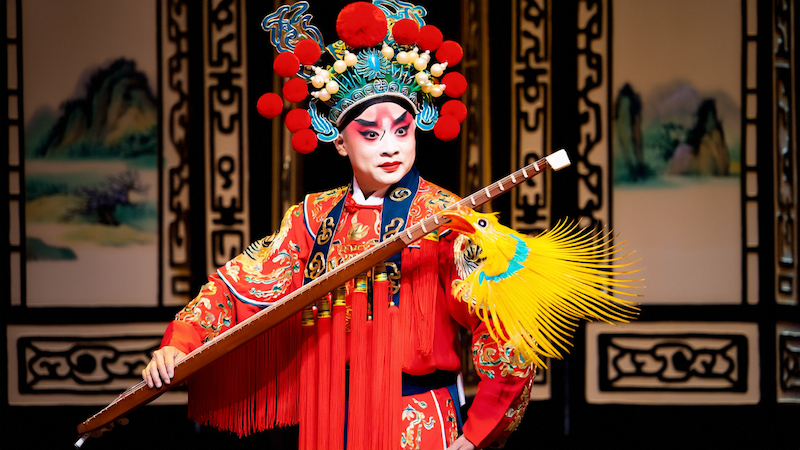
Chinese culture is one of the world’s oldest and most diverse cultures, shaped by thousands of years of history, philosophy, and tradition. It is a dynamic blend of ancient customs and modern innovation, offering an unparalleled tapestry of art, cuisine, festivals, beliefs, and values. This page is your gateway to exploring the richness of Chinese culture.
Traditional Chinese Culture
- Philosophies and Beliefs: Confucianism, Taoism, and Buddhism form the backbone of Chinese philosophy, shaping values like respect, harmony, and balance in daily life.
- Arts and Literature: Explore China’s contributions to global arts, from classical poetry and calligraphy to ink painting and architecture. Delve into masterpieces like The Dream of the Red Chamber and traditional Chinese opera.
Modern Inheritance and Evolution
- Urban Innovation: Today’s China is a hub of modernity, with bustling cities like Shanghai and Shenzhen reflecting a fusion of traditional elements and cutting-edge technology.
- Cinema and Media: Chinese filmmakers and media are gaining global recognition, showcasing a contemporary take on storytelling and cultural expression.
- Youth Culture: Discover how Chinese millennials and Gen Z are blending tradition with trends like fashion, music, and digital art.
Intangible Cultural Heritage
Learn about ancient practices like tea ceremonies, martial arts (e.g., Tai Chi), and traditional medicine.
- Performing Arts: China’s performance art has a long history and rich forms, covering Peking Opera, Kunqu Opera, and other opera and puppet shows, quyi, rap art, etc., delivering folk wisdom and emotional sustenance.
- Traditional Crafts: The traditional Chinese arts and crafts are concentrated on the efforts of craftsmen. The weaving techniques, such as embroidery and brocade, the crafts such as porcelain and lacquerware, and the papermaking and carving printing are precious intangible cultural heritage.
- Rituals & Festive Events: Etiquette and festivals are an important carrier of Chinese culture, including festival-related traditional ceremonies, community celebrations, and folk beliefs, highlighting the traditional values of harmony and reunion.
- Foodways & Lifestyle: Diet and lifestyle are an important part of Chinese culture. Tea art, brewing, traditional cooking skills, and the Tonic Diet dietetic culture run through the concept of balanced nutrition.
- Folk Literature & Oral Traditions: Folk literature and oral tradition are the spiritual wealth of the Chinese nation, including myths and legends, folktales, folk songs, and ballads, carrying cultural memory and values.
Regional and Ethnic Diversity
China is home to 56 ethnic groups, each with unique languages, customs, and traditions.
- Han Culture: The majority of Han people contribute significantly to China’s shared cultural identity.
- Ethnic Groups: Explore the vibrant cultures of ethnic groups like the Tibetans, Uighurs, Zhuang, and Miao, known for their distinctive festivals, clothing, and music.
Festivals and Celebrations
China’s festivals are a key reflection of its cultural identity.
- Spring Festival (Chinese New Year): A time for family reunions, red lanterns, and dragon dances.
- Mid-Autumn Festival: Celebrating the full moon with mooncakes and family gatherings.
- Traditional Minority Festivals: Such as the Water-Splashing Festival of the Dai or the Nadam Fair of the Mongols.
Cultural Customs
Culinary Traditions
Food is a cornerstone of Chinese culture, emphasizing the balance of flavors, health, and regional variety.
- Regional Cuisines: From the spicy flavors of Sichuan to the delicate dishes of Cantonese cuisine.
- Tea Culture: Tea drinking is not just a habit but an art form, with rituals that reflect centuries of refinement.
Why Explore Chinese Culture with OlaChina?
At OlaChina, we strive to offer a comprehensive and authentic understanding of Chinese cultural richness. Through articles, stories, and interactive content, we help you:
- Discover the essence of Chinese traditions.
- Gain insights into contemporary cultural trends.
- Connect with the diversity of China’s people and regions.
Let us guide you on this cultural journey, bridging gaps and building understanding between China and the world.
Latest News
- “Chinese Doctors”: From the Screen to the Consulting Room

- Beijing Hospital: for Foreigners to See Doctors in Beijing
- China Travel Permit Issuing Service Guide
- China’s Unilateral Visa-Free Countries: The Latest Full List
- Top Universities in China(Tsinghua, Peking, Zhejiang University)
- China’s K Visa: The “Fast Track” for Foreign Young STEM Talents


